If you’ve ever imported goods from overseas to the U.S. and found yourself frustrated by hidden delays, unexpected fees, or a process that feels more like a guessing game than a logistics solution, you’re not alone. Over the past seven years, I’ve worked hands-on with U.S. LDP Fast Ocean Freight—first as a operations coordinator at a third-party logistics firm, then as the owner of a small, customer-centric freight supplier that specializes in streamlining LDP (Landed Duty Paid) ocean freight for small to mid-sized importers. Today, I want to pull back the curtain on the loading and unloading process for our U.S. LDP Fast Ocean Freight service, breaking down each step with the real-world tips I’ve learned from managing hundreds of shipments, and why it’s so different from standard ocean freight that leaves you on the hook for every customs and ground fee. US LDP Fast Ocean Freight
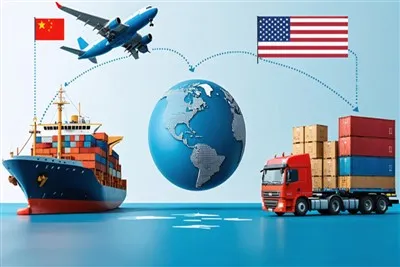
Let’s start with the basics, because I still meet importers every month who mix up LDP with other freight models. LDP means Landed Duty Paid—so when you book our service, the price you get upfront covers every cost from the moment your goods leave their overseas factory door to the second they’re unloaded and dropped at your U.S. facility. No surprise customs duties, no unforeseen port storage fees, no confusing local handling charges. That clarity is why our clients keep coming back, but it only works if the loading and unloading processes are executed with precise attention to detail, because any mistake on our end gets passed on to us, not to you.
Let’s walk through the loading side first—this starts 24 to 48 hours before your container arrives at the overseas port, and it’s the step that sets the entire shipment’s timeline. The first thing we do as your LDP supplier is coordinate a pre-loading check-in with your overseas factory team, because 90% of loading delays come from small miscommunications that most freight companies ignore. For example, I once had a client whose factory loaded 120 cartons of hand tools into a 20-foot container, only to realize the palletized goods were 6 inches taller than the container’s internal clearance. That would have meant stopping the entire shipment at the port, paying a $1,200 re-stuffing fee, and delaying delivery by 10 days—fees we ended up covering, but only because we caught the mistake during our pre-load check. Our team will confirm pallet dimensions, carton weight limits, and any special handling needs (like fragile electronics or temperature-sensitive goods) with the factory before loading even starts, so there are no last-minute surprises.
During loading, our on-site overseas coordinator is present for every minute, not just to take photos (though we do that for documentation, just in case of damage claims) but to oversee how the container is stowed. For LDP shipments, stowage isn’t just about fitting as much as possible—it’s about making unloading in the U.S. fast and damage-free. We arrange heavier pallets at the bottom, lighter, more fragile items on top, and leave a clear pathway along the door of the container so our U.S. unload team doesn’t have to dig through half the shipment to get to the first pallet. We also require that all goods are clearly marked with your U.S. delivery address, our container number, and a individual pallet ID number—this cuts down on unloading time by 30% because we don’t have to stop to trace misplaced items at the port or your warehouse.
Once loading is complete, the container is sealed with a unique, numbered lock—this is non-negotiable for LDP shipments, because we’re liable for any loss or damage that happens during ocean transit or port handling. Our team records the seal number, takes photos of the sealed container, and logs all the details into our tracking system so you can pull it up at any time. The container is then transported to the overseas port, where it’s loaded onto the ocean vessel in the order it needs to be unloaded in the U.S. That’s another small detail that makes our Fast Ocean Freight stand out—we don’t put your container at the bottom of the stack, which would mean waiting until every other shipment before yours is unloaded. We coordinate with the ocean carrier to load our clients’ high-priority LDP shipments near the top of the stack, cutting U.S. unloading and delivery time by an average of 5 days compared to standard ocean freight.
Now, let’s get to the part that most importers care about most: the U.S. unloading process, and how LDP removes the stress from that step. The day the vessel arrives at its U.S. port (we use the Los Angeles/Long Beach or Savannah ports for most Fast Ocean Freight because they have the most streamlined clearance processes), our team is already on site, waiting to coordinate with the port’s terminal operator. First, the container goes through U.S. Customs and Border Protection (CBP) inspection—for LDP shipments, we handle all the documentation upfront, including commercial invoices, packing lists, and customs bonds, so most of our shipments get a “no inspection” or a quick physical inspection that takes 2 to 4 hours, not the 2 to 3 days you might experience with a standard shipment. That’s a huge win because port storage fees can add up fast—we cover those fees as part of LDP, so the faster we clear customs, the better, and that’s why we prioritize pre-clearing all paperwork before the vessel even arrives.
Once customs clears, the container is released to our team, and we move it to our nearby U.S. unloading and consolidation facility—this is a step that many freight companies skip, sending drivers directly from the port to your warehouse, but for our Fast Ocean LDP service, it’s critical for speed and accuracy. Our facility has 12 dedicated unloading bays, staffed with 8 experienced warehouse workers who only handle LDP shipments, so they know exactly how to unload containers without damaging goods. When the container arrives, we first do a full seal check to confirm the lock matches the number we logged overseas—this is a mandatory security step, and if the seal is broken or mismatched, we immediately flag it to CBP and the ocean carrier to launch a damage investigation, which protects you from being liable for any loss that happened during transit.
After the seal check, our team begins the unloading process, following the stowage plan we created during the overseas loading phase. Each pallet is scanned with a barcode that matches the ID we marked on the pallet at the factory, so our system automatically updates as each item is unloaded. This means we never have missing or misrouted goods, which is a common complaint with standard freight. For example, last month a client imported 500 boxes of fitness equipment, and our barcode system caught that one pallet was unaccounted for within 10 minutes of starting the unload—we traced it to the bottom of the container (a spot most unload teams would have missed) and got it on the delivery truck that same day, with no delay to our client’s store opening. That’s the kind of detail that makes LDP work, instead of leaving you to chase lost boxes.
Once unloading is complete, we do a full inventory count to match against the packing list and commercial invoice—this is another step we don’t skip, because if there’s any damage or shortage, we file a claim with the ocean carrier or overseas supplier within 24 hours, so our client doesn’t have to go through the hassle of navigating claims processes themselves. For LDP, all these claim costs are built into our upfront price, so you don’t have to pay extra if there’s a problem, as long as it’s not due to mislabeling or improper packing on your end (which we always pre-confirm, so that’s rare).
After inventory is complete, we coordinate with your delivery schedule to move the pallets to your U.S. facility. For our Fast Ocean Freight service, we offer both standard next-day delivery from our facility and same-day rush delivery for an additional fee, but even standard delivery is 2 to 3 days faster than the average for other freight services. That speed comes from years of refining the loading and unloading process, not cutting corners—we still spend time on pre-load checks and barcode inventory because those steps eliminate delays that end up costing our clients more money in the long run.
I know what some of you are thinking: “This all sounds great, but is LDP only for large shipments?” No, we work with small importers too—we’ve handled shipments from 100 square feet of warehouse space up to 2,000 square feet of retail inventory. The loading and unloading process stays the same, because the core of LDP is taking the entire logistics burden off your plate, regardless of shipment size. What makes our Fast Ocean Freight different from other LDP providers is that we don’t treat every shipment the same—we adjust the stowage plan, unloading timeline, and delivery schedule based on your needs, not a one-size-fits-all template.
After seven years in this business, I’ve learned that the loading and unloading process isn’t just about moving boxes from a ship to a truck—it’s about trust. When you book our U.S. LDP Fast Ocean Freight service, you’re trusting us to handle your goods as if they were our own, and that means being present for every step, from the overseas factory door to your warehouse loading dock. No hidden fees, no unexpected delays, no confusing paperwork—just a process that’s been refined over hundreds of shipments to be as smooth and stress-free as possible.

If you’re tired of standard ocean freight that leaves you scrambling to pay customs fees, chase lost shipments, or wait weeks for delivery, I’d love to talk through how our LDP Fast Ocean Freight service can work for your business. We’ll walk you through every step of the process, answer any questions you have about loading, unloading, or pricing, and help you get your goods to the U.S. on time and on budget. Reach out to our team to schedule a consultation, and let’s get your next shipment moving.
US LDP General Ship References
- U.S. Customs and Border Protection. (2024). Importing into the United States: A Guide for Commercial Importers.
- Federal Maritime Commission. (2023). Landed Duty Paid (LDP) Freight Services: Consumer Rights and Industry Standards.
- National Customs Brokers & Forwarders Association of America. (2024). Best Practices for Ocean Freight Loading and Unloading for LDP Shipments.
- American Trucking Associations. (2023). Warehouse Efficiency Benchmarks for Ocean Freight Unloading and Delivery.
- International Trade Administration. (2024). Guide to U.S. LDP Fast Ocean Freight: Timeline and Cost Structure.
Tuoyuan International Logistics Co., Ltd.
As an experienced international logistics company in China, we provide high quality US LDP fast ocean freight service with competitive price. If you have any enquiry about customized US LDP fast ocean freight service, please feel free to email us. Also, quotation and pricelist are available.
Address: 1st Floor, Building 5, No.37, Jingshan Road, Beiyuan Street, Yiwu City, Jinhua City, Zhejiang Province, China
E-mail: info@topyounglog.com
WebSite: https://www.topyounglog.com/
