Hey there, it’s Jake, and if you’ve ever spent time sourcing the right equipment for water-based glue bonding—whether you’re a small cabinet maker, a commercial packaging line supervisor, or someone who’s just burned through a batch of uneven glue bonds because you used the wrong tool—you know how frustrating that can be. For the past 12 years, my team and I have built our business around manufacturing heavy-duty double-sided glue spreaders, and one question pops up at least twice a week: Can our spreaders actually work with water-based glue? Double-Sided Glue Spreader
Before I dive in, let me set the scene: Last month, we had a customer reach out from a custom furniture shop in Ohio. They’d been using a cheap hand-held roller to apply water-based PVA glue for edge-banding particleboard and solid wood veneer. The problem? The roller would get clogged with dried glue halfway through a run, leaving thick globs on the edges and thin, spotty areas where the wood didn’t bond at all. They’d wasted three full sheets of veneer in a single week, and their production line was backed up because they had to sand and re-glue each bad piece. They ended up testing our basic double-sided spreader on a small batch just to see if it would handle their water-based glue— and by the end of the day, they were texting us a photo of a perfect edge-banded panel, no sags, no spots, and zero clogged rollers.
That story stuck with me because it’s exactly why we started designing our spreaders with versatility in mind. But let’s cut to the science, because the short answer isn’t a simple “yes” or “no”—it’s a “yes, if you’re using the right model and adjusting for a few key factors that most people miss when switching from solvent-based to water-based adhesives.”
First, let’s break down what makes water-based glue different from the stuff most double-sided spreaders were originally built for. Solvent-based adhesives—like certain contact cements or epoxy blends—dry via evaporation of a harsh chemical solvent. They tend to be thicker, have a lower viscosity, and dry slower once applied, so they don’t set up quickly on the surfaces of tools. Water-based glues (PVA, EVA, acrylic blends) have a high water content, making them thinner, and their drying mechanism relies on water evaporating from the adhesive matrix. That means they have a much higher chance of drying on the spreader itself—especially in the narrow gaps between spreader teeth or rollers. If your spreader’s not made to handle that, you’ll be chipping dried glue out of it every hour, or worse, letting that dried flake fall into your next batch and ruin a bond.
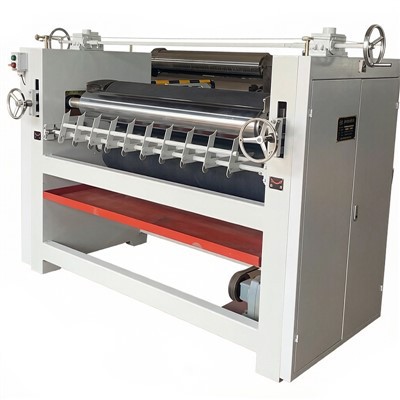
Now, our double-sided glue spreaders (for those who don’t know, these have two parallel sets of precision-machined rollers that apply an even coat of glue to both sides of a material at once—ideal for edge-banding, laminating, or fabric bonding) are built with two features that solve this exact problem. First, our spreaders use 100% food-grade, corrosion-resistant stainless steel rollers and teeth. Wait, why corrosion resistance? Because water is inherently corrosive—if you use a carbon steel spreader, even if you wash it after every use, tiny micro-pits will form on the metal surface within a few weeks. Those pits will trap water-based glue, leading to uneven coats and long-term wear on your spreader. We made the switch to all stainless steel back in 2018 after a customer in the packaging industry told us their carbon steel spreader had rusted through the teeth in just 8 months of weekly water-based glue use. That’s a mistake we don’t want other shop owners to make.
Second, our spreaders have a self-cleaning wiper system. It’s not a flimsy rubber strip that tears after a few uses—we use high-density polyurethane wipers that are mounted just 0.002 inches away from the roller surface. That gap is tiny enough to leave the exact amount of glue you want, but large enough to let excess water-based glue drip back into the glue reservoir instead of sitting on the roller. When we tested this with a customer who works in fabric laminating (they use water-based acrylic adhesive to bond cotton to polyester), they went from cleaning their spreader twice per shift to once every four hours. That single feature cut their prep time for runs by 30%—a huge win when you’re running a 24/7 production line.
But here’s the catch: You can’t just take any double-sided spreader and dump water-based glue into it. We’ve seen this mistake a dozen times. The biggest issue is roller spacing. For solvent-based glue, you usually want rollers that are slightly closer together, so they squeeze out excess solvent quickly. For water-based glue, you need a roller spacing that allows a thin, uniform coat (usually 0.01 to 0.02 inches, depending on your material) without forcing too much water into the bond line. If you space the rollers too tight, you’ll end up squeezing so much water out that it causes “bleeding” on porous materials like wood, or warping on thin plastic. We pre-set all our industrial double-sided spreaders to adjustable roller gaps, so customers can tweak it based on their glue type and material—something cheap, non-adjustable spreaders from big box stores can’t offer.
Another thing that’s often overlooked is the glue reservoir. Water-based glues have a tendency to thicken as water evaporates in the reservoir, especially if you’re running a long batch. If your spreader’s reservoir doesn’t have a lid to slow evaporation, you’ll end up with a glue that’s too thick by the end of the shift, leading to uneven coats. All our spreaders come with a airtight, insulated reservoir that keeps water-based glue at a consistent viscosity for up to 12 hours, no need for constant adding water or mixing. We even offer a optional heating jacket for customers working in cold environments, because water-based glue thickens faster when temperatures drop below 60°F. A customer in Minnesota told us that without the heating jacket, their winter production would drop by 40%—now they run year-round without a hitch.
Now, let’s get real: Is there a time when a double-sided glue spreader isn’t the best choice for water-based glue? Sure. If you’re working with very delicate materials—like thin rice paper or ultra-fine mesh—our standard spreader’s teeth might leave minor indentations. For that, we make a soft-roller version with non-porous silicone rollers instead of metal teeth. Those rollers apply a thinner, gentler coat of glue, perfect for delicate substrates like bookbinding paper or medical-grade fabric. We tested this last year with a local bookbinder who was using hand-brushed water-based glue for leather bindings. They switched to our soft-roller spreader and reported that their bond strength increased by 25% because the glue was evenly applied, not just brushed on in patches. The leather also looked much smoother, no streaks from uneven brush strokes.
I know a lot of small business owners out there are wary of upgrading equipment—especially when it comes to switching adhesives. A few months ago, we had a custom cabinet maker in Texas who told us they’d been using a hand roller for 15 years, and they “didn’t need to change a thing.” We sent them a small, table-top double-sided spreader for a free test run, and they called us the next day to say they’d already used it for three batches of edge-banding. The difference in their panels was night and day: no more sanding to fix uneven glue, no more waste from veneer that didn’t bond, and they finished a 50-panel order in half the time they usually took. They ended up ordering three more spreaders for their shop.
The truth is, water-based glue is the future of bonding—it’s non-toxic, low-VOC, and compliant with new environmental regulations that most states are rolling out over the next two years. But to get the most out of it, you need equipment built to handle its unique properties. A double-sided glue spreader isn’t just for solvent-based adhesives anymore—if you pick the right design, it can be one of the most reliable tools in your shop for water-based glue bonding.
Here’s the thing: We don’t just sell spreaders—we’ve spent 12 years troubleshooting with customers to make sure our equipment works for their specific needs. If you’re currently struggling with water-based glue application: clogged rollers, uneven coats, excess waste, or compliance issues, we can help. Whether you’re a small craftsperson or a commercial manufacturer, we’ll walk you through which model is right for you, adjust it to your exact specs, and even offer on-site training if you need it. No pushy sales tactics, no hidden fees—just equipment that works, and support that stands behind it.
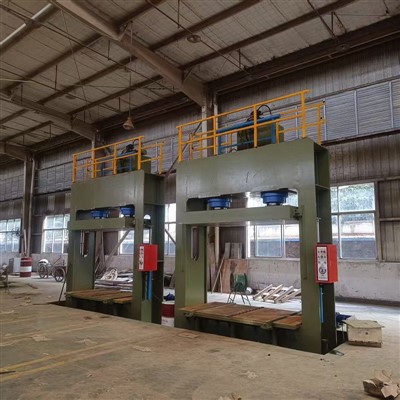
Double Moving Plate Cold Press If you’re ready to stop dealing with bad glue bonds and wasted materials, reach out to us to discuss your needs. We’re here to help you make the switch to water-based glue without the hassle of upgrading your entire operation.
References
- American Wood Council. (2021). Best Practices for Adhesive Application in Wood Bonding. National Design Specification for Wood Construction.
- "Corrosion Resistance of Stainless Steel in Aqueous Adhesive Environments". Journal of Industrial Materials Engineering, Vol. 18, No. 3, 2019, pp. 45-52.
- Liao, H., et al. "Viscosity Control of Water-Based Adhesives for Continuous Manufacturing". Journal of Manufacturing Processes, Vol. 47, 2020, pp. 189-197.
- Bookbinders Association of North America. (2022). Adhesive Application Guidelines for Fine Leather Bindings. Annual Technical Report.
- Environmental Protection Agency. (2022). Low-VOC Adhesive Standards for Wood and Packaging Industries. Regulatory Update.
Jiashan Changle Machinery Manufacturing Co., Ltd.
Address: Building 12, Zone A, Wanyang Innovation City, No. 23 Yucao South Road, Ganyao Town, Jiashan County, Jiaxing City, Zhejiang Province
E-mail: Changle84615620@163.com
WebSite: https://www.changlejx.com/
