If you’re reading this, chances are you rely on aluminum heat sinks to keep your electronics, industrial equipment, or LED lighting running cool—same as we do. As someone who’s spent the last 12 years in the aluminum heat sink supply game, I’ve seen firsthand how a few bad storage weeks can turn a perfectly precision-machined heat sink into a corroded mess that’s unusable. Last year alone, we had a client send back 2,000 heatsinks because their warehouse stored them near a loading bay where rain and road salt seeped in, and by the time they unboxed them, white powdery corrosion had eaten into their fins. That cost them thousands in production delays, and it taught me a critical lesson: no matter how well you machine or finish aluminum heat sinks, proper storage is non-negotiable. Aluminum Heat Sink
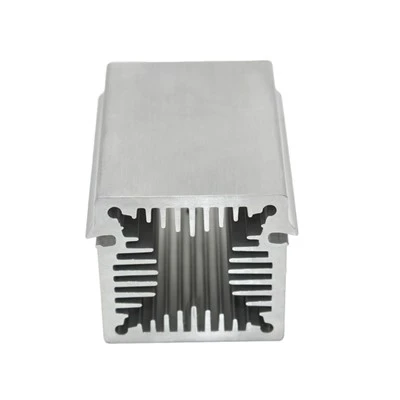
Let’s break this down the way we do for every new client that reaches out to us for bulk orders. Aluminum is great because it forms a thin, natural oxide layer on its surface when exposed to air, which is supposed to protect it from further corrosion. But that layer is fragile—it’s only a few nanometers thick, and it breaks down when exposed to moisture, corrosive contaminants, temperature fluctuations, or physical abrasion. The result is that dull, white, powdery corrosion (called aluminum oxide or alumina) that not only looks bad but also ruins the thermal conductivity of the heat sink, which is the whole point of using it in the first place. So our goal in storage is to preserve that natural oxide layer, or reinforce it if we’ve applied a coating, and keep harmful elements away from the metal surface.
First and foremost, control your storage environment. This isn’t just a suggestion—it’s step one for every heat sink we ship out, and it’s the first thing we advise clients to do. The biggest enemy here is moisture. When aluminum is stored in a space with high humidity (over 50% relative humidity, in our experience), water vapor starts to react with the exposed metal surface, breaking down that natural oxide layer. We use hygrometers in our own storage warehouses to track humidity 24/7, and we keep levels between 35% and 45% for heat sinks that are ready to ship. If you don’t have a way to track humidity, simple tools like silica gel packets (the kind you get in new shoes or electronics) work as a cheap fix. We add one 10-gram silica gel packet per 10 heatsinks in each shipping crate, and it absorbs excess moisture before it can cause damage. Temperature matters too—extreme fluctuations can cause condensation to form on the surface of heat sinks, like when you bring a cold heat sink into a warm, humid room. We always acclimate our heat sinks to the warehouse temperature for 24 hours before storing them, and we advise clients to do the same when they unbox a shipment. If you’re storing heat sinks in a garage or warehouse that gets cold in the winter, move them indoors before temperatures start to rise in the spring to avoid that condensation issue.
Next, physical handling and packaging are huge, and it’s an area where a lot of suppliers cut corners. Aluminum heat sinks have delicate fins, especially high-density or thin-fin designs that are common in compact electronics. If you stack them directly on top of each other without any separation, the fins can scratch or bend, and those scratches break through the oxide layer, creating spots where corrosion can start. We use two types of protective packaging for heat sinks, depending on their size and intended use. For small, precision-machined heat sinks for consumer electronics, we wrap each one individually in static-dissipative (ESD) poly bags. ESD bags not only protect against scratches, but they also prevent static buildup, which is important for parts that will be used in sensitive electronics. For larger, industrial-grade heat sinks, we use corrugated cardboard dividers between each unit when stacking, and line each crate with a polyethylene (PE) sheet that’s moisture-resistant. Avoid using plain cardboard or paper directly on aluminum, though—those materials can absorb moisture and even have residual chemicals that react with aluminum over time. We also never use foam that has loose particles inside, because those particles can scratch the surface or get trapped between fins, leading to corrosion later. When it comes to stacking, don’t overload crates—follow the weight limits marked on the packaging, and don’t stack more than three crates high in storage, because the weight can damage the heat sinks at the bottom and also crush the packaging that protects the top ones.
If you’re storing heat sinks long-term (more than three months), you’ll need an extra layer of protection, whether that’s a temporary corrosion inhibitor or a permanent finish touch. Many of our clients that store inventory for seasonal projects, like holiday lighting or summer air conditioning units, use a volatile corrosion inhibitor (VCI) film for long-term storage. VCI films release tiny, invisible molecules that form a protective barrier over the aluminum surface, preventing moisture and contaminants from reacting with the metal. We’ve used VCI film on heat sinks stored for up to a year, and when the client unboxes them, they come out looking just as good as the day they left our warehouse. Just make sure you don’t use VCI on heat sinks that are going to be soldered or welded right away, because the film can leave a residue that interferes with bonding. For those, we recommend a different option: applying a thin, food-grade oil or anti-corrosive wax. We use a water-based anti-corrosive wax for heat sinks that are going to be used in outdoor equipment, and it’s easy to wipe off with isopropyl alcohol when the heat sink is ready for installation. One thing to note: avoid using heavy oils or petroleum-based products, because they can leave a sticky residue that’s hard to remove, and some can even react with aluminum over time. Another long-term storage tip: keep storage areas free of any other corrosive materials, like battery acid, cleaning chemicals, or road salt. We keep our heat sink storage zone separate from our raw material storage, which includes things like steel and copper that can have residual oils or acids that might transfer to aluminum if they’re stored next to each other.
Regular inspection is a step that’s often overlooked, but it can catch corrosion before it becomes a big problem. Every two weeks, we check a sample of heat sinks from each storage batch to make sure there’s no discoloration, powdery spots, or moisture buildup. Discoloration can range from a light gray haze to white or brown spots, and it’s the first sign that corrosion is starting. If you spot discoloration, check the humidity levels in your storage area, add more silica gel, or move the heat sinks to a drier space. We also make sure to rotate our inventory, following the first-in-first-out (FIFO) rule—this way, older heat sinks are used before newer ones, so no part sits in storage for longer than necessary. Last year, a client came to us with a batch of heat sinks that had been stored for six months, and when we inspected them, the corrosion was only starting on a few units on the bottom of the stack. We advised them to move the batch to a lower humidity area, add silica gel, and use the older units first, and they were able to salvage 90% of the batch without any further issues. If you do find corrosion that’s already started, don’t panic—for light surface corrosion, you can gently buff it off with a soft cloth and a little isopropyl alcohol, then re-apply a thin protective wax. But if the corrosion has eaten into the fins or the base, that heat sink is probably unusable, because it will lose thermal conductivity, so it’s best to set it aside and focus on preventing future issues.
At the end of the day, preventing corrosion in aluminum heat sinks during storage is all about being proactive, not reactive. You don’t need fancy, expensive equipment—most of the solutions we use are simple and low-cost: monitor humidity, use the right packaging, control temperature fluctuations, and check your inventory regularly. Over the years, we’ve worked with hundreds of clients, and the ones that have the least corrosion issues are the ones that follow these basic steps instead of just storing heat sinks in a corner of their warehouse and forgetting about them.

If you’re dealing with corrosion issues in your stored heat sinks, or if you’re looking for a reliable supplier of aluminum heat sinks with quality packaging and storage best practices built in, we’re here to help. Whether you need a small batch for a prototype or a bulk order for a large project, we can walk you through the best storage practices for your specific needs and make sure your heat sinks arrive in perfect condition. Reach out to us to discuss your requirements and get a consultation on how to protect your aluminum heat sinks from corrosion during storage.
Liquid Cold Plate References
- ASM International. Corrosion of Aluminum and Aluminum Alloys. 1999
- National Association of Corrosion Engineers (NACE). Corrosion Control in Metal Storage and Handling. 2018
- Aluminum Association. Aluminum Heat Sink Design and Application Guidelines. 2021
Dongguan Pioneer Thermal Technology Co., Ltd.
Dongguan Pioneer Thermal Technology Co., Ltd. is one of the most professional aluminum heat sink manufacturers and suppliers in China. With abundant experience, we warmly welcome you to buy customized aluminum heat sink made in China here from our factory. If you have any enquiry about quotation and free sample, please feel free to email us.
Address: Xiegang Village, Xiegang Town, Dongguan City, Guangdong Province, 523596, China
E-mail: vivian@ptheatsink.com
WebSite: https://www.coolingheatsink.com/
