Hey there, I’m Jake, and if you’ve ever walked into my pipe fittings shop—you know, the one with the boxes of copper, PEX, and PVC stacked from floor to ceiling, and my golden retriever, Max, napping on a pallet of threaded adapters—you’ve probably heard this question at least a dozen times: “Can I use my regular pipe fittings in a geothermal system?” Pipe Fittings
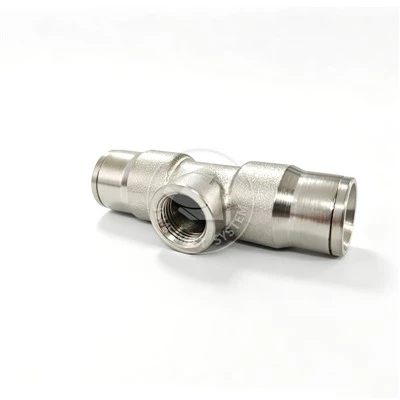
It’s a good question, honestly. Geothermal heating and cooling is blowing up right now—folks are tired of sky-high utility bills, tired of fossil fuel fumes, and tired of HVAC systems that sound like a jet engine taking off. A lot of DIYers and even small contractors look at their go-to supply bins and think, “Hey, this fitting worked for my bathroom pipes—can’t I just reuse it for geothermal?” Spoiler: sometimes yeah, sometimes no, and it all boils down to knowing what geothermal actually needs before you grab that 90-degree elbow out of your truck bed.
First, let’s keep it simple: what even is a geothermal system? No fancy jargon, promise. It’s basically a big loop of pipes that runs underground, usually 4 to 6 feet deep where the ground temperature stays a steady 50-60°F all year. In winter, the loop soaks up that gentle heat from the earth and pumps it into your house. In summer, it dumps your house’s extra heat back into the ground. The stuff running through that loop isn’t plain water, either—usually a mix of water and antifreeze, right? Wait, not the regular car antifreeze that smells like candy and is toxic if a dog licks it. We’re talking propylene glycol, which is non-toxic, corrosion-resistant, and doesn’t freeze even when the loop dips below freezing. That mix is the lifeblood of the system, so whatever fittings you use have to play nice with that, plus hold up to underground conditions for decades.
Now, why would regular pipe fittings even seem like a good fit? Let’s be real—most of the stuff we use for home plumbing is cheap, easy to find, and works for everyday stuff. But geothermal systems are in a whole different lane. Think about it: that loop’s not exposed to the air in your basement or bathroom. It’s buried, so it’s dealing with constant moisture, fluctuating pressures, and chemical mix that’s designed to last 20+ years. If a regular fitting fails, you’re not fixing a leak under a sink—you’re digging up 200 feet of pipe in your backyard. That’s costly, messy, and a total headache.
So, let’s break down the two main types of geothermal loops, because that changes everything: open-loop and closed-loop. Open-loop is when you tap into a groundwater well, pump the well water through the system, and dump it back into another well or a pond. Closed-loop is the sealed loop I mentioned earlier—no water goes back into the ground, it just circulates the antifreeze mix. That’s the one most people use, so let’s focus there first.
For closed-loop systems, the big three fitting materials you’ll see are HDPE (high-density polyethylene), cross-linked polyethylene (PEX), and copper. Wait, let’s talk about each, and when regular fittings work (or don’t). HDPE is the workhorse of geothermal loops, full stop. It’s flexible, corrosion-proof, cheap for bulk, and easy to weld together with fittings called “electrofusion” or “socket fusion” fittings. But here’s the thing: regular HDPE fittings—like the ones you use for a backyard sprinkler system—are not the same as geothermal-rated HDPE fittings. Sprinkler HDPE is thin-walled, designed for low pressure (like 100 PSI max) and only meant for a few years. Geothermal HDPE is thick-walled, rated for 200 PSI or more, and has UV inhibitors? Wait no, UV is bad for HDPE, but geothermal HDPE has additives to resist degradation from that propylene glycol mix over decades. If you use cheap sprinkler HDPE fittings, the antifreeze will eat through the plastic in 5 years, not 50. I’ve seen it—contractors who cut corners, come back in 2018 (I’ve been in this game 12 years, so I remember) with a truck full of angry homeowners who had to dig up their whole front yard. Don’t do that.
Next, PEX. A lot of DIYers love PEX because it’s flexible, easy to cut with a pipe cutter, and you don’t need fancy tools—just crimp rings or cinch clamps. But wait, regular potable water PEX? Nope. Geothermal PEX is rated for continuous exposure to propylene glycol, and it’s thicker than the stuff you use for under-sink hot lines. Regular PEX will start to swell and crack when it’s exposed to that antifreeze mix long-term. The good news is, geothermal PEX fittings are a thing now—they’re made to work with that thicker, chemical-resistant PEX, and the cinch clamps you use? They’re standard, so if you already have those, you’re good, just make sure the fitting itself is marked “geothermal approved.”
Now copper. Copper is the old-timer, works great for hot water lines, right? But should you use it for geothermal? Maybe, but only in specific spots. If you’re connecting the underground loop to your indoor HVAC unit, that section above ground is fine with regular copper fittings—just make sure they’re soldered correctly with lead-free solder, per code. But never use copper underground. Why? The soil has moisture, and even propylene glycol can cause galvanic corrosion with copper. I’ve seen a copper loop go bad in 8 years because of that—turns to crud, leaks all over. Save the copper for above-ground connections, not the buried loop.
Wait, what about fittings I should totally avoid? Let’s make this a list, so you can mark it in your brain. First, galvanized steel fittings. They rust, period. Soil moisture plus that antifreeze mix? They’ll turn to dust in 10 years. Second, PVC or CPVC. Unless they’re specifically marked geothermal-rated, stay away. Most regular PVC is rated for air or potable water only, and that antifreeze mix will make it brittle over time, especially underground where it’s cold and damp. Third, any fitting labeled “for temporary use.” If it’s made for a construction site test loop that gets used for a weekend? No way. You need permanent, long-haul fittings here.
Now, let’s talk about something I wish more people knew: pressure and temperature ratings. Geothermal systems run at higher pressures than regular home plumbing. Your bathroom pipes might run at 40-60 PSI, but geothermal loops are usually 100-150 PSI, sometimes higher when the system kicks on. So whatever fitting you buy needs to have a pressure rating of at least 200 PSI to be safe. Also, temperature: the loop can get down to 20°F in winter, so the fitting has to handle extreme cold without cracking. Regular plumbing fittings are often rated for up to 180°F, but not super cold, so double-check that spec.
What if you’re doing an open-loop system? That’s trickier. The water from the well has minerals, sediment, sometimes even small amounts of dirt, so you need fittings that can stand up to that abrasion and corrosion. Here, some contractors will use stainless steel fittings, but again, only ones rated for geothermal and well water. Regular stainless steel (like the stuff for outdoor grills) might not hold up to the mineral buildup over time. I once had a guy bring me a fitting that had corroded through his open loop—turns out he used a cheap stainless steel adapter that wasn’t rated for hard well water, and it leaked when he was on vacation. Had to replace the whole intake section, which cost him way more than buying the right fitting in the first place.
Okay, let’s get to the good stuff—pro tips from someone who’s been in the trenches, not just reading specs online. First, always buy fittings from a supplier who explicitly sells geothermal-specific ones. Don’t try to save $0.50 on a fitting that’s wrong for the job. I tell every DIYer who walks in my shop: “Geothermal is an investment. You don’t skimp on the parts that live in your yard for 50 years.” Second, don’t skip the fusion for HDPE loops. Welding those HDPE fittings properly with a fusion tool is non-negotiable. I see guys try to use glue for HDPE and wonder why the joint leaks a year later. HDPE fittings need heat to melt the plastic together, not just adhesive. Third, test the system for leaks before you bury anything. Pressure test the loop for 24 hours—if it drops more than 5 PSI, you have a leak, fix it before you cover it with dirt. I can’t stress that enough. Fourth, if you’re not 100% sure, call a professional. Geothermal is complicated, and a bad fitting can tank your system’s efficiency by 30% or more. No joke—using a wrong fitting can make your geothermal system cost way more to run than a regular HVAC unit, which defeats the whole point.
Wait, but let’s not make it sound like you can never use regular fittings. There are totally places where it’s fine. Like, the part between the underground loop and your indoor air handler. That’s above ground, exposed to normal conditions, so regular copper or PEX fittings work there, just make sure they’re rated for hot water. Or if you’re connecting the thermostat wires? No, wait, that’s electrical, not plumbing. Let’s stick to plumbing: if you’re extending the loop above ground to reach the unit, regular plumbing fittings are okay. Just don’t go back underground with them.
Another thing I get asked a lot: “What about using fittings I already have leftover from another job?” I hate to say it, but probably not. Even if the fitting looks fine, it might have a hidden defect from being stored in a hot garage or left outside in the sun. Geothermal fittings need to be pristine, no scratches or dents that can turn into weak spots underground. Save the leftovers for your next bathroom reno, not your geothermal loop.
Now, I own a pipe fittings business, so let me be straight with you: I sell geothermal-specific fittings, but I’m not here to pressure you into buying something you don’t need. I’ve turned away a couple guys who tried to buy cheap sprinkler HDPE fittings for a geothermal loop, and I’ll do it again. Because I’d rather have a happy customer who calls me back in 10 years to buy another part, than someone who blames me when their loop leaks. The good news is, geothermal fittings are actually pretty affordable these days, way cheaper than they were 10 years ago when this whole boom started. You don’t have to break the bank to get the right parts.
If you’re planning a geothermal system, do your research first. Look up the system’s pressure and temperature specs, figure out if it’s closed or open loop, then match your fittings to that. If you’re a contractor or a DIYer who’s mid-project and stuck on a fitting choice, hit me up. We can talk through your setup, make sure you get exactly what you need, no extra junk. I’m always happy to answer questions—even the ones I’ve heard a hundred times before.
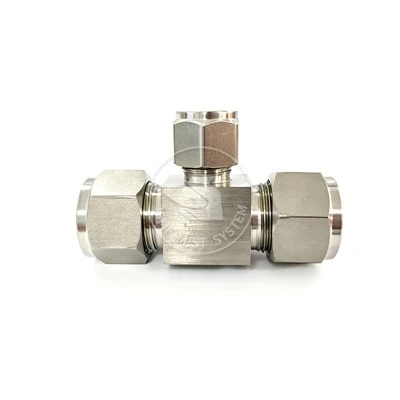
At the end of the day, geothermal is one of the best investments you can make for your home and the planet. The last thing you want is a cheap fitting ruining that investment. So do yourself a favor, skip the cut corners, use the right fittings, and enjoy those low utility bills for decades to come.
Pipe Fittings References:
- U.S. Department of Energy, Geothermal Heat Pump Systems: Design and Installation Guide, 2021.
- Plastic Pipe and Fittings Association, Geothermal Pipe and Fitting Specifications, 2022.
- International Association of Plumbing and Mechanical Officials, Geothermal System Fitting Requirements, 2020.
Jinsheng Mist Forest-High Pressure Mist System
Jinsheng Mist Forest-High Pressure Mist System is one of the most experienced pipe fittings manufacturers and suppliers in China, featured by quality products and low price. Please rest assured to wholesale bulk pipe fittings in stock here and get pricelist from our factory. Customized orders are welcome.
Address: 109 Yonghong Road, Wenjiang District, Chengdu City, Sichuan Province, China
E-mail: 18190767523@163.com
WebSite: https://www.jswsmist.com/
