You bet an embossing roller can be used on wood! I’ve been in the embossing roller supply game for a while now, and let me tell you, the possibilities with wood are endless. Embossing Roller
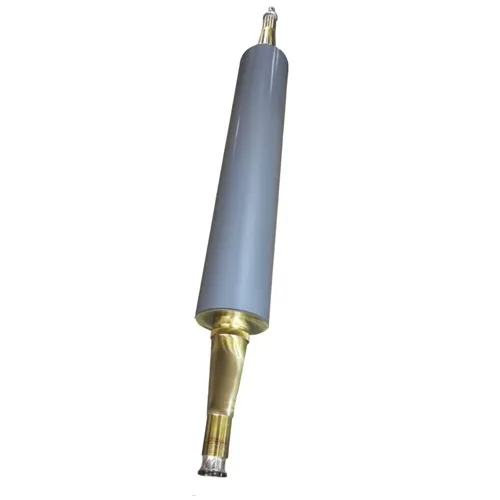
First off, what’s an embossing roller? Well, it’s a roller with a pattern engraved on its surface. When you pass a material, like wood, through an embossing machine fitted with this roller, the pattern gets transferred onto the wood’s surface. It’s like stamping a design, but in a more continuous and efficient way.
So, why would you want to use an embossing roller on wood? There are tons of reasons. For one, it can enhance the aesthetic appeal of plain wood. Let’s say you’ve got a bunch of ordinary wooden planks. By running them through an embossing machine with a cool pattern, like a rustic brick or a floral design, you can turn those plain planks into something really special. It’s a great way to add character to furniture, wall paneling, or even decorative items.
Another reason is for branding. If you’re a furniture maker or a small woodworking business, you can use an embossing roller to put your logo or brand name on your products. It’s a subtle yet effective way to make your mark and make your products stand out in the market.
Now, you might be wondering if any embossing roller will work on wood. Well, not exactly. There are a few things to consider. The hardness of the wood is a big factor. Softwoods, like pine or cedar, are generally easier to emboss than hardwoods, like oak or maple. This is because softwoods have a more porous and less dense structure, which allows the embossing pattern to be more easily stamped onto the surface.
The type of embossing roller also matters. For wood, you’ll want a roller made from a durable material, like steel or hard rubber. Steel rollers are great for heavy – duty embossing and can handle high – pressure applications. They can create deep and sharp patterns on the wood. Hard rubber rollers, on the other hand, are more flexible and can be a good choice for more delicate patterns or for embossing on softer woods.
The design of the pattern on the roller is also crucial. Simple, bold patterns tend to work better on wood than intricate, detailed ones. This is because the wood’s natural grain can sometimes interfere with very detailed patterns, making them look less clear. A simple geometric pattern or a repeating motif is often a safe bet.
Let’s talk about the embossing process itself. First, you need to prepare the wood. Make sure the surface is clean and smooth. You might want to sand it down to get rid of any rough spots or debris. This will ensure that the embossing pattern comes out as clean as possible.
Next, you’ll need to set up your embossing machine. Adjust the pressure of the roller according to the hardness of the wood. You don’t want to apply too much pressure, as this can damage the wood, but you also need enough pressure to get a good impression. It might take a bit of trial and error to get the pressure just right.
Once everything is set up, you can start feeding the wood through the embossing machine. Go slowly and steadily to make sure the pattern is evenly applied. After embossing, you can finish the wood with a stain, paint, or a clear coat to protect the embossed pattern and give it a nice, finished look.
There are also some challenges when using an embossing roller on wood. One of the main issues is the natural variation in wood. Each piece of wood is unique, with its own grain pattern and density. This can cause the embossing pattern to look slightly different on each piece. While some people might see this as a charming feature, if you need a very consistent look across multiple pieces of wood, it can be a bit of a headache.
Another challenge is the wear and tear on the embossing roller. Wood can be abrasive, especially hardwoods. Over time, the pattern on the roller can start to wear down, which means you’ll need to replace the roller or have it re – engraved. But don’t let that scare you off. With proper maintenance and care, you can get a long lifespan out of your embossing roller.
In terms of applications, the uses of embossed wood are vast. In the furniture industry, embossed wood can be used to create one – of – a – kind pieces. Chairs, tables, and cabinets can all be given a unique look with embossed patterns. In interior design, embossed wood wall paneling can add warmth and texture to a room. It can also be used for decorative items, like picture frames, vases, or even small sculptures.
When it comes to the market demand, there’s definitely a growing interest in embossed wood products. Consumers are looking for unique and personalized items, and embossed wood fits the bill perfectly. Whether it’s for home decor or for commercial projects, the demand for embossed wood is only going to increase.
As an embossing roller supplier, I’ve seen firsthand the amazing things that people can do with embossed wood. I’m always here to help you choose the right embossing roller for your woodworking needs. Whether you’re a small – scale hobbyist or a large – scale furniture manufacturer, I’ve got the rollers and the expertise to make your embossing projects a success.
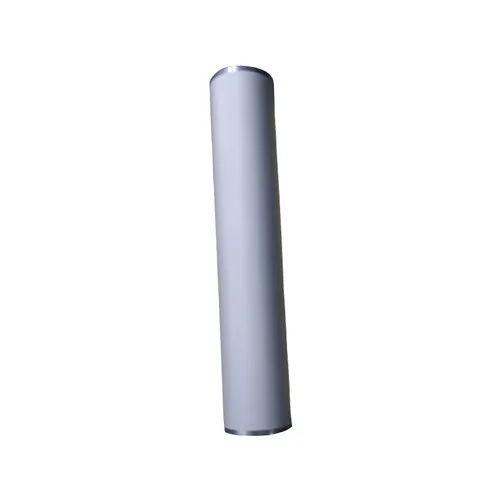
So, if you’re thinking about using an embossing roller on wood, don’t hesitate. Give it a try and see the magic it can bring to your wood projects. And if you’re in the market for a high – quality embossing roller, just reach out. We can have a chat, and I’ll help you find the perfect roller for your specific requirements.
Micro Gravure Roll References:
"Woodworking Basics: A Complete Guide", by John Smith
"Embossing Techniques for Different Materials", by Emily Brown
Kunshan Hanhan Co., Ltd.
We’re well-known as one of the leading embossing roller manufacturers and suppliers in China. We warmly welcome you to buy high quality embossing roller made in China here from our factory. If you have any enquiry about cooperation, please feel free to email us.
Address: No. 1093, B Zone, No. 2 Xugongqiao Rd, Huaqiao Town, Kunshan City, Suzhou, Jiangsu, China
E-mail: info@kshhroller.com
WebSite: https://www.kshh-roller.com/
