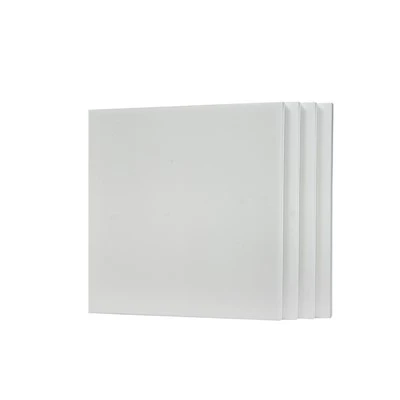
Fire retardant insulation boards are widely recognized for their ability to enhance fire safety in buildings. However, their impact on the structural integrity of a building is a topic that requires in – depth exploration. As a supplier of fire retardant insulation boards, I have witnessed firsthand the various ways in which these products can affect a building’s structure, both positively and negatively. Fire Retardant Insulation Board
Positive Effects on Structural Integrity
1. Fire Protection
One of the most significant benefits of fire retardant insulation boards is their ability to prevent or slow down the spread of fire. In the event of a fire, these boards act as a barrier, protecting the underlying structural components of the building from the intense heat. Structural materials such as steel and concrete can lose their strength when exposed to high temperatures. For example, steel begins to lose its strength at around 500°C, and concrete can spall and lose its integrity at even lower temperatures in some cases.
Fire retardant insulation boards can insulate the structural elements, keeping them at a lower temperature for a longer period. This allows the building’s structure to maintain its load – bearing capacity for an extended time, providing more time for evacuation and firefighting. In many fire – safety standards and building codes, the use of fire retardant insulation is a requirement to ensure that buildings can withstand fire for a specified period, known as the fire – resistance rating.
2. Thermal Insulation
In addition to fire protection, fire retardant insulation boards also offer excellent thermal insulation properties. By reducing heat transfer through the building envelope, these boards help to maintain a more stable indoor temperature. This is beneficial for the structural integrity of the building in several ways.
Firstly, thermal expansion and contraction can cause stress on building materials. When the temperature inside and outside the building fluctuates widely, materials such as wood, concrete, and metal expand and contract. Over time, these repeated cycles of expansion and contraction can lead to cracks, warping, and other forms of structural damage. Fire retardant insulation boards help to minimize these temperature variations, reducing the stress on the building’s structure and extending its lifespan.
Secondly, a well – insulated building is less likely to experience condensation. Condensation can occur when warm, moist air comes into contact with a cold surface. If this happens inside a building, it can lead to the growth of mold and mildew, which can weaken building materials and cause structural problems. By preventing condensation, fire retardant insulation boards help to maintain the integrity of the building’s interior and exterior finishes, as well as the underlying structural components.
3. Sound Insulation
Some fire retardant insulation boards also provide good sound insulation. This can be beneficial for the structural integrity of a building in an indirect way. In a noisy environment, excessive vibration can be transferred through the building structure. Over time, these vibrations can cause fatigue in building materials, leading to cracks and other forms of damage. By reducing the transmission of sound and vibration, fire retardant insulation boards help to protect the building’s structure from the harmful effects of long – term vibration.
Negative Effects on Structural Integrity
1. Moisture Absorption
Some fire retardant insulation materials have a tendency to absorb moisture. When insulation boards absorb moisture, their thermal and fire – retardant properties can be compromised. More importantly, moisture can also cause problems for the building’s structure.
For example, if the insulation board is in contact with wooden structural elements and becomes wet, it can promote the growth of fungi and rot. This can weaken the wood, reducing its load – bearing capacity and potentially leading to structural failure. In the case of concrete structures, moisture – laden insulation can cause corrosion of the reinforcing steel bars. Corrosion of steel reinforcement can lead to cracking and spalling of the concrete, which can significantly affect the structural integrity of the building.
2. Installation Issues
Improper installation of fire retardant insulation boards can also have a negative impact on the structural integrity of a building. If the insulation is not installed correctly, it may not provide the intended fire protection or thermal insulation. For example, gaps or voids in the insulation can allow fire to spread more easily, or they can reduce the effectiveness of the thermal insulation, leading to increased temperature variations and potential structural damage.
In addition, if the insulation boards are not properly secured, they can become dislodged during normal building use or in the event of a fire. Dislodged insulation can expose the underlying structural components to fire and heat, increasing the risk of structural failure.
3. Compatibility with Building Materials
Fire retardant insulation boards need to be compatible with the other building materials they come into contact with. In some cases, chemical reactions can occur between the insulation and other materials, which can lead to degradation of the materials and affect the structural integrity of the building.
For example, some fire retardant chemicals in the insulation may react with certain types of sealants or adhesives, causing them to lose their effectiveness. This can lead to leaks, which can introduce moisture into the building and cause damage to the structure. Similarly, if the insulation is not compatible with the building’s framing materials, it can cause problems such as warping or corrosion.
Mitigating the Negative Effects
1. Quality Selection
As a fire retardant insulation board supplier, I always emphasize the importance of quality selection. High – quality insulation boards are less likely to absorb moisture and are more resistant to chemical reactions. They are also manufactured to strict standards, ensuring that they provide the necessary fire protection and thermal insulation properties.
When selecting insulation boards, it is important to consider factors such as the type of building, the local climate, and the specific requirements of the project. For example, in a humid climate, it may be necessary to choose insulation boards with a low moisture absorption rate.
2. Proper Installation
Proper installation is crucial to ensure the effectiveness of fire retardant insulation boards and to protect the structural integrity of the building. It is recommended that insulation be installed by trained professionals who are familiar with the installation requirements of the specific product.
Before installation, a detailed installation plan should be developed, taking into account factors such as the layout of the building, the location of structural components, and the potential for moisture ingress. During installation, care should be taken to ensure that the insulation is installed tightly, without gaps or voids, and that it is properly secured.
3. Compatibility Testing
Before using fire retardant insulation boards in a building project, it is important to conduct compatibility testing with the other building materials. This can help to identify any potential chemical reactions or other compatibility issues before they cause problems.
Compatibility testing can involve exposing samples of the insulation and other materials to various environmental conditions and monitoring for any signs of degradation or other problems. Based on the results of the testing, appropriate measures can be taken to ensure the compatibility of the materials, such as using a different type of insulation or applying a protective coating to the materials.
Conclusion
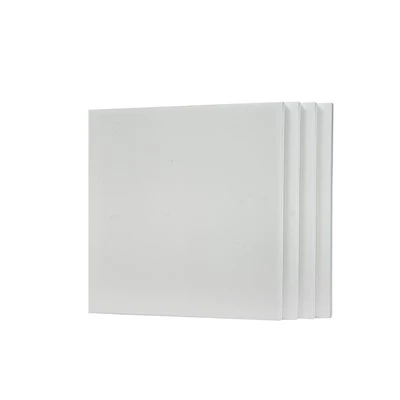
Fire retardant insulation boards can have a significant impact on the structural integrity of a building, both positive and negative. On the one hand, they provide important fire protection, thermal insulation, and sound insulation benefits, which can help to maintain the strength and durability of the building’s structure. On the other hand, issues such as moisture absorption, improper installation, and compatibility problems can pose risks to the structural integrity of the building.
Roof Insulation Board As a supplier of fire retardant insulation boards, I am committed to providing high – quality products and technical support to ensure that our customers can use our products safely and effectively. If you are considering using fire retardant insulation boards in your building project, I encourage you to contact me for further information and to discuss your specific needs. Our team of experts can help you select the right product, develop a proper installation plan, and ensure that the insulation is compatible with the other building materials.
References
- "Fire – Resistant Building Materials and Their Applications" by John D. Smith, published by Building Science Press.
- "Thermal Insulation in Buildings: Principles and Applications" by Mary A. Johnson, published by Insulation Technologies Publishing.
- Standards and codes related to fire retardant insulation materials and building structural integrity, including local building regulations.
Wenzhou Lejia Energy-saving Material Co., Ltd.
As one of the leading manufacturers and suppliers of fire retardant insulation board in China, we’re featured by quality products and good service. Please rest assured to buy advanced fire retardant insulation board for sale here from our factory. We also accept customized orders.
Address: Block A, No. 128 Changxiu Road, Lingkun Subdistrict, Wenzhou Marine Economy Development Demonstration Zone, Zhejiang Province, China.
E-mail: luckyfoam@vip.163.com
WebSite: https://www.lfxps.com/
