Can a transmission shaft be replaced easily? Transmission Shaft
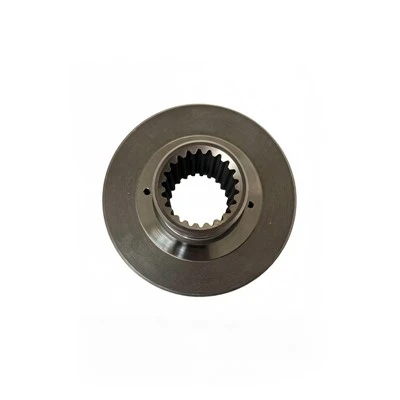
As a supplier of transmission shafts, I often get asked by customers whether a transmission shaft can be replaced easily. This is a crucial question, especially for those looking to cut down on machinery downtime and repair costs. In this blog post, I’ll delve into the intricacies of transmission shaft replacement, factors affecting the ease of replacement, and offer some insights into the process in different industrial and automotive settings.
First, let’s understand what a transmission shaft is. A transmission shaft is a vital component in mechanical systems, designed to transmit torque and rotational energy from one part of a machine to another. It plays a key role in various applications, including automotive vehicles, industrial machinery, and even some household appliances. In automotive applications, for example, the transmission shaft transfers power from the engine to the wheels, enabling the vehicle to move. In industrial machinery, it connects different components such as motors and gears, ensuring smooth operation.
The ease of replacing a transmission shaft depends on several factors. One of the primary considerations is the type of machinery or vehicle in which the shaft is installed. In simpler, more accessible systems, such as some small – scale industrial equipment or older model cars, the transmission shaft may be relatively easy to replace. These systems often have straightforward designs, with the shaft being easily accessible and not surrounded by a complex network of other components.
For instance, in some small conveyors used in factories, the transmission shaft is typically located in an open area. It can be reached without having to remove a large number of other parts. The process usually involves loosening a few bolts or couplings that hold the shaft in place, then sliding out the old shaft and sliding in the new one. Once the new shaft is inserted, the bolts or couplings are tightened, and the system can be quickly put back into operation.
However, in more complex machinery, such as modern high – performance cars or large industrial production lines, replacing a transmission shaft can be a far more challenging task. In automobiles, the engine compartment is becoming increasingly crowded as manufacturers pack more features and advanced technologies into a limited space. The transmission shaft may be surrounded by intricate wiring, hoses, and other components, making it difficult to access.
Moreover, in modern cars, the transmission shaft is often integrated with sophisticated electronic systems as part of the overall drivetrain management. Removing and installing a new shaft requires not only mechanical skills but also knowledge of these electronic systems to ensure that everything functions properly after the replacement. Any mistake in reconnecting the electronic components can lead to malfunctions, such as erratic shifting or even a complete loss of power to the wheels.
In large industrial production lines, the transmission shafts are often part of a complex assembly that may be difficult to disassemble. The shafts may be connected to multiple gears, pulleys, and other power – transmitting elements, and removing the shaft may require the disassembly of a significant portion of the production line. This not only takes time but also requires a high level of expertise to ensure that the entire system is reassembled correctly.
Another factor that affects the ease of replacing a transmission shaft is the design of the shaft itself. Some transmission shafts are designed for quick and easy replacement. They may have standardized connections, such as splines or couplings, that can be easily disengaged and re – engaged. For example, some modular industrial machinery uses standardized transmission shafts that can be swapped out with minimal effort. This is beneficial for industries where minimizing downtime is crucial, as it allows for rapid replacement in case of a shaft failure.
On the other hand, custom – designed transmission shafts can pose challenges during replacement. These shafts are often tailored to specific applications, and their replacement may require specialized tools and techniques. If a custom – shaft breaks, it may not be possible to find a readily available replacement, and a new shaft may need to be manufactured, which can take time and increase the overall cost of the repair.
The availability of replacement parts also impacts the ease of transmission shaft replacement. If the shaft is a common, off – the – shelf component, it can usually be obtained quickly, and the replacement process can start promptly. However, in cases where the shaft is a rare or specialized part, sourcing it can be a time – consuming process. This delay can significantly extend the downtime of the machinery or vehicle, causing disruptions to operations.
In automotive repair shops, mechanics are often trained to handle transmission shaft replacements. They have the necessary tools and expertise to deal with different types of vehicles. However, even for them, the process can be complex, especially for newer models with advanced drivetrain technologies. In industrial settings, maintenance teams are responsible for shaft replacements. They need to be well – versed in the specific machinery they are working on and have access to the right tools and replacement parts.
To make the transmission shaft replacement process as easy as possible, it’s important to follow the manufacturer’s guidelines. These guidelines provide step – by – step instructions on how to safely remove and install the shaft, including details on torque specifications for bolts, alignment procedures, and any special requirements for the particular machine or vehicle.
For those who are considering a DIY transmission shaft replacement, while it may be possible in some simple cases, it’s crucial to have a good understanding of the mechanical system and the right set of tools. Incorrect installation can lead to premature failure of the new shaft or cause damage to other components in the system.
In conclusion, whether a transmission shaft can be replaced easily depends on a variety of factors, including the complexity of the machinery, the design of the shaft, the availability of replacement parts, and the expertise of the person performing the replacement. At [Supplier’s Role], as a transmission shaft supplier, we understand the challenges associated with shaft replacement. We offer a wide range of high – quality transmission shafts, from standard off – the – shelf models to custom – designed solutions. Our products are designed to meet the highest industry standards, ensuring reliable performance and long – term durability.
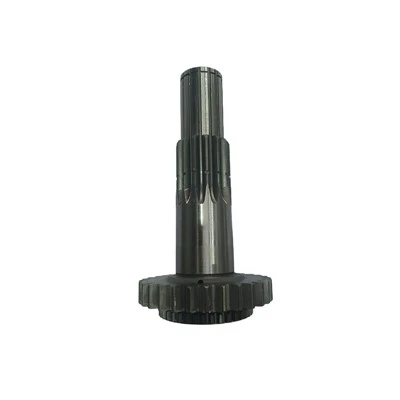
If you’re in need of a transmission shaft or have questions about our products and the replacement process, we encourage you to get in touch with us. Our team of experts is ready to assist you in choosing the right shaft for your application and providing support throughout the replacement process. Contact us to start a discussion about your transmission shaft needs, and let’s work together to keep your machinery running smoothly.
Gear References
- Automotive Engineering Handbook: Practical Guide to Vehicle Design and Development
- Industrial Machinery Maintenance Manuals
- Technical Literature from Leading Transmission Shaft Manufacturers
Yancheng Botu Transmission Machinery Co., Ltd.
As one of the most professional transmission shaft manufacturers and suppliers in China, we have world-leading production equipment and strong manufacturing capabilities. Please rest assured to wholesale cheap transmission shaft for sale here from our factory. Contact us for more details.
Address: No. 33, Yongxing Road, Economic Development Zone, Jianhu County, Yancheng City, Jiangsu Province
E-mail: 15261979878@163.com
WebSite: https://www.ycbtcdjx.com/
