How does the cell geometry of a Ceramic Anilox Roller affect printing quality?
As a supplier of Ceramic Anilox Rollers, I’ve witnessed firsthand the critical role that these rollers play in modern printing. One aspect that often gets overlooked is the cell geometry of the Ceramic Anilox Roller, yet it can significantly influence the final printing quality. In this blog, let’s dive into how the cell geometry affects the printing output and why it’s so important to choose the right one. Ceramic Anilox Roller
Understanding the Basics of Ceramic Anilox Rollers
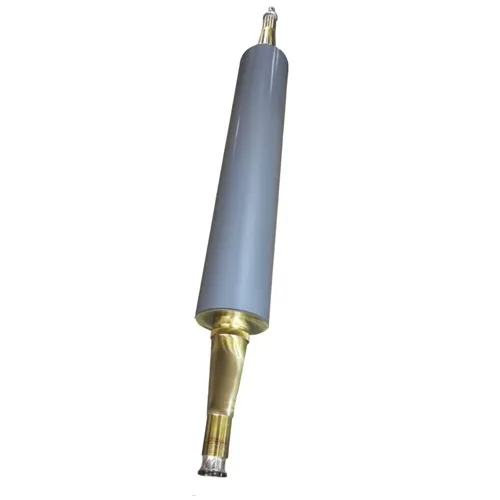
Before we explore the impact of cell geometry, it’s essential to have a basic understanding of Ceramic Anilox Rollers. These rollers are a crucial component in the flexographic printing process. They are responsible for transferring a precise amount of ink from the ink supply to the printing plate. The ceramic coating on the roller provides durability and wear – resistance, ensuring a long service life. The cells on the roller’s surface are like tiny reservoirs that hold the ink, and the way these cells are designed and shaped is what we refer to as cell geometry.
Cell Geometry Parameters
There are several key parameters of cell geometry that affect printing quality:
-
Cell Shape
The most common cell shapes include hexagonal, square, and triangular. Each shape has its own characteristics. Hexagonal cells, for instance, offer a more efficient packing density. This means that more cells can fit on the surface of the roller, which can lead to a more uniform ink transfer. Square cells, on the other hand, are easier to manufacture and can provide a stable ink – holding capacity. Triangular cells can offer unique flow characteristics, and they are often used in applications where a specific ink distribution pattern is required. -
Cell Volume
Cell volume refers to the amount of ink that each cell can hold. It is determined by the depth and the cross – sectional area of the cell. A higher cell volume means that more ink can be transferred to the printing plate. However, if the cell volume is too large, it can lead to over – inking, resulting in blurred images or excessive ink on the substrate. Conversely, if the cell volume is too small, the printed image may appear faint or incomplete. -
Cell Angle
The angle at which the cells are arranged on the roller’s surface also plays a significant role. Different cell angles can affect how the ink is released from the cells onto the printing plate. For example, a 60 – degree angle is commonly used in many applications because it provides a good balance between ink transfer efficiency and the ability to prevent ink from pooling in the cells. A steeper angle might cause the ink to be released more quickly, which could be beneficial in high – speed printing, but it also requires more precise control to avoid uneven ink distribution. -
Cell Wall Thickness
The thickness of the walls between the cells is another important factor. Thicker cell walls can provide more structural integrity to the roller, but they also reduce the available space for the ink cells. This can limit the amount of ink that can be held and transferred. Thinner cell walls, on the other hand, allow for larger cell volumes, but they may be more prone to damage, especially during the doctoring process.
Impact on Printing Quality
Now, let’s discuss how these cell geometry parameters translate into real – world printing quality.
Ink Distribution
The cell shape and angle have a direct impact on ink distribution. As mentioned earlier, hexagonal cells with their efficient packing density can result in a more uniform ink distribution across the printing plate. This leads to a more consistent print, with even color coverage and fewer streaks or bands. A well – chosen cell angle ensures that the ink is released smoothly and evenly, preventing areas of over – or under – inking.
Dot Reproduction
In high – quality printing, accurate dot reproduction is crucial, especially for images and fine text. The cell volume plays a major role here. If the cell volume is too large, the dots can spread and merge, resulting in a loss of detail. On the other hand, cells with an appropriate volume can hold just the right amount of ink to reproduce sharp and well – defined dots. The cell wall thickness also affects dot reproduction. Thicker walls can act as a barrier and prevent the ink from spreading too much between the dots, maintaining the clarity of the printed image.
Printing Speed
The cell geometry can influence the printing speed. In high – speed printing, the ink needs to be transferred quickly and efficiently. A cell design with a steeper angle and an appropriate cell volume can facilitate faster ink release, allowing the printer to operate at higher speeds without sacrificing quality. However, this requires careful consideration, as a poorly designed cell geometry can lead to ink splashing or uneven transfer at high speeds.
Color Density and Brightness
The cell volume and cell shape directly affect the amount of ink transferred, which in turn impacts the color density and brightness of the printed material. A higher cell volume can result in a darker and more vibrant color, but as mentioned before, it needs to be balanced to avoid over – inking. The shape of the cells can also affect how the ink reflects light, which can influence the perceived brightness of the printed color.
Choosing the Right Cell Geometry
Selecting the appropriate cell geometry for your printing needs is not a one – size – fits – all decision. It depends on several factors:
-
Printing Substrate
Different substrates, such as paper, plastic, or cardboard, have different absorption and surface characteristics. For example, a porous substrate may require cells with a larger volume to ensure sufficient ink transfer. Non – porous substrates may need a more precise cell design to prevent ink from spreading. -
Image Complexity
For simple, solid – color prints, a more straightforward cell geometry may be sufficient. However, for complex images with fine details, a more precise cell design with smaller cell volumes and well – defined walls is necessary to reproduce the image accurately. -
Printing Speed
As discussed earlier, high – speed printing requires a cell geometry that can facilitate quick ink transfer. If you plan to operate your printer at high speeds, you’ll need to choose a cell shape, angle, and volume that are optimized for this purpose. -
Ink Type
Different inks have different viscosities and flow characteristics. Viscous inks may require cells with larger volumes and a design that allows for easy ink release. Water – based inks, for example, may need a different cell geometry compared to solvent – based inks.
Working with a Professional Supplier
As a Ceramic Anilox Roller supplier, I understand the complexity of choosing the right cell geometry. Our team of experts is trained to analyze your specific printing requirements and recommend the most suitable cell design for your application. We use state – of – the – art manufacturing techniques to ensure that each roller meets the highest quality standards.
If you’re looking to improve your printing quality, enhance your productivity, or simply want to explore the best cell geometry options for your Ceramic Anilox Roller, don’t hesitate to reach out. We’re here to help you make an informed decision and provide you with a product that will meet your needs. Whether you’re a small – scale printer or a large – scale printing company, we have the expertise and resources to support you.
By choosing the right cell geometry for your Ceramic Anilox Roller, you can take your printing quality to the next level. The investment in a well – designed roller will pay off in the form of better – looking prints, fewer printing errors, and increased efficiency. So, start the conversation today and let’s work together to optimize your printing process.
Contact us to discuss your printing requirements and let us help you find the perfect Ceramic Anilox Roller with the ideal cell geometry for your job. Let’s elevate your printing quality together!
Anilox Sleeve References
- Tuttle, D., & Mercer, R. (1999). "Anilox Rollers: Basic Principles and Applications." Flexo Magazine.
- Gaines, J. (2005). "The Impact of Cell Geometry on Anilox Roller Performance." Printing Industries of America.
- Moran, E. (2012). "Understanding Ceramic Anilox Rollers for Better Printing Quality." Graphic Arts Technical Foundation.
Kunshan Hanhan Co., Ltd.
We’re well-known as one of the leading ceramic anilox roller manufacturers and suppliers in China. We warmly welcome you to buy high quality ceramic anilox roller made in China here from our factory. If you have any enquiry about cooperation, please feel free to email us.
Address: No. 1093, B Zone, No. 2 Xugongqiao Rd, Huaqiao Town, Kunshan City, Suzhou, Jiangsu, China
E-mail: info@kshhroller.com
WebSite: https://www.kshh-roller.com/
