Hey there! I’m a supplier of dump trailers, and I know how crucial it is to inspect a used dump trailer before you buy one. Whether you’re a construction pro or just need a trailer for occasional hauling, a thorough inspection can save you a ton of headaches and money down the road. So, let’s dive into how you can do a proper inspection. Dump Trailer
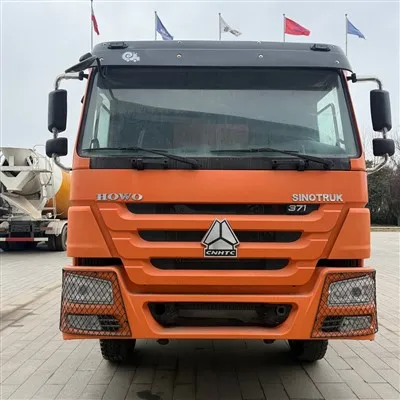
1. Exterior Inspection
First off, take a good look at the trailer’s exterior. Walk around it slowly and check for any signs of damage. Look for dents, scratches, and rust. Dents might not seem like a big deal, but they can weaken the structure of the trailer over time. Scratches can lead to rust if they’re not treated, and rust is a major red flag. It can eat away at the metal and compromise the integrity of the trailer.
Check the paint job too. If the paint is peeling or flaking, it could be a sign that the trailer has been exposed to harsh conditions or hasn’t been well – maintained. Also, look at the lights. Make sure all the brake lights, turn signals, and running lights are working properly. A non – functioning light can not only get you in trouble with the law but also pose a safety risk on the road.
2. Frame Inspection
The frame is the backbone of the dump trailer, so it’s super important to inspect it carefully. Look for any cracks or bends in the frame. Cracks can be a serious problem because they can spread and cause the frame to fail. Bends might indicate that the trailer has been overloaded or involved in an accident.
Check the welds on the frame as well. Welds should be smooth and free of cracks. If you see any signs of poor welding, like uneven beads or spatter, it could be a sign of shoddy workmanship. You can also use a magnet to check for any signs of filler metal or body putty, which might be used to cover up damage.
3. Hydraulic System
The hydraulic system is what allows the dump trailer to lift and lower its load. Start by checking the hydraulic fluid level. It should be at the proper level, and the fluid should be clean and clear. If the fluid is dirty or has a milky appearance, it could be a sign of a leak or a problem with the system.
Look for any signs of hydraulic fluid leaks around the cylinders, hoses, and fittings. Leaks can not only cause the system to lose pressure but also make a mess and potentially damage other parts of the trailer. Check the cylinders for any signs of damage or corrosion. The cylinders should move smoothly and without any jerks or sticking.
4. Bed Inspection
The bed of the dump trailer is where you’ll be loading and unloading your materials, so it needs to be in good condition. Check the floor of the bed for any holes, cracks, or excessive wear. Holes can cause your load to spill out, and cracks can weaken the bed.
Look at the sides of the bed as well. They should be straight and free of damage. If the sides are bent or dented, it could affect the trailer’s ability to hold a load properly. Also, check the tailgate. It should open and close easily and latch securely.
5. Tires and Wheels
The tires and wheels are what keep the trailer moving, so they’re an important part of the inspection. Check the tire tread depth. You can use a tread depth gauge to measure it. The tires should have at least 4/32 of an inch of tread remaining. If the tread is too low, the tires might not provide enough traction, especially in wet or slippery conditions.
Look for any signs of uneven wear on the tires. Uneven wear can be a sign of alignment problems or overloading. Check the wheels for any cracks or damage. The wheels should be properly balanced and mounted. Also, check the lug nuts to make sure they’re tight.
6. Brakes
The brakes are a critical safety feature of the dump trailer. Check the brake pads for wear. The pads should have at least 1/4 of an inch of thickness remaining. If the pads are too thin, they won’t be able to stop the trailer effectively.
Look for any signs of brake fluid leaks around the brake lines and calipers. Leaks can cause the brakes to lose pressure and fail. You can also test the brakes by applying them while the trailer is stationary. The brakes should engage smoothly and hold the trailer in place.
7. Suspension System
The suspension system helps to absorb the shocks and vibrations of the road. Check the springs for any signs of damage or sagging. Sagging springs can cause the trailer to ride unevenly and put extra stress on other parts of the trailer.
Look at the shock absorbers as well. They should be in good condition and not leaking. You can test the shock absorbers by pushing down on the trailer and letting go. The trailer should bounce back once or twice and then settle. If it bounces more than that, the shock absorbers might be worn out.
8. Documentation
Don’t forget to ask for the trailer’s documentation. This includes the title, maintenance records, and any repair history. The title will tell you if the trailer has been salvaged or rebuilt. Maintenance records can give you an idea of how well the trailer has been taken care of.
If there are any repair records, look for any major repairs that have been done. This can help you identify any potential problems that might come up in the future.
9. Test Drive
If possible, take the dump trailer for a test drive. This will give you a chance to see how it handles on the road. Pay attention to how the trailer rides, how the brakes work, and how the hydraulic system operates.
During the test drive, listen for any unusual noises, like rattles or squeaks. These could be signs of a problem with the trailer. Also, make sure the trailer is easy to maneuver and that the controls are responsive.
10. Negotiation and Final Decision
After you’ve completed the inspection, it’s time to negotiate the price. If you found any problems during the inspection, use them as leverage to get a better deal. You can ask the seller to fix the problems or lower the price.
Once you’ve reached an agreement on the price, it’s time to make your final decision. If the trailer passes all the inspection criteria and the price is right, go ahead and make the purchase. But if there are too many problems or the price is too high, it might be better to keep looking.
So, there you have it! A comprehensive guide on how to inspect a used dump trailer before buying. By following these steps, you can make sure you’re getting a quality trailer that will serve you well for years to come.
If you’re in the market for a dump trailer, whether it’s a used one or a brand – new model, I’d love to chat with you. I have a wide range of dump trailers available, and I can help you find the one that’s right for your needs. Just reach out, and we can start the conversation.
Trailers References
- "Trailer Maintenance and Inspection Guide" by Trailer Life Magazine
- "The Complete Guide to Buying a Used Trailer" by RV Business
Shandong Huayuanda Automobile Manufacturing Co., Ltd.
As one of the most experienced dump trailer manufacturers and suppliers in China, our products have good reputation in the market. We warmly welcome you to buy high quality dump trailer at low price from our factory. If you have any enquiry about cooperation, please feel free to email us.
Address: Industrial Park, Quanpu Town, Liangshan County, Jining City, Shandong Province
E-mail: Huayuanda2024@163.com
WebSite: https://www.hydtrailer.com/
