Iron sulfide, a compound with the chemical formula FeS, has long been a subject of interest in the field of environmental science, especially in the treatment of industrial exhaust gas. As a leading supplier of iron sulfide – environmental pollution treatment chemicals, I’ve witnessed firsthand the growing curiosity and potential applications of this compound in industrial settings. This blog post aims to explore the question: Can iron sulfide be used in the treatment of industrial exhaust gas? Iron Sulfide- Environmental Pollution Treatment Chemicals
The Composition and Properties of Iron Sulfide
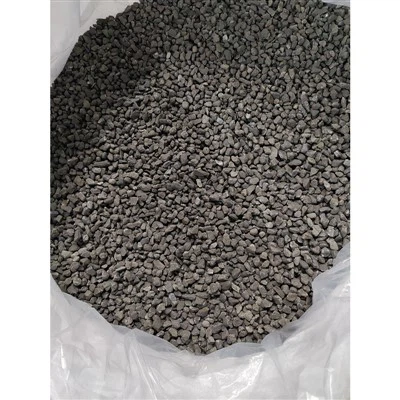
Iron sulfide exists in various forms, with two common types being ferrous sulfide (FeS) and iron disulfide (FeS₂, also known as pyrite). Ferrous sulfide is a black, solid compound that is insoluble in water. It has a relatively high melting point and is stable under normal conditions. Iron disulfide, on the other hand, has a brassy – yellow color and is widely known for its shiny appearance, often referred to as "fool’s gold."
The chemical properties of iron sulfide are what make it potentially useful for industrial exhaust gas treatment. It is a reducing agent, which means it can donate electrons to other substances. In an exhaust gas treatment context, this property allows it to react with certain pollutants in the gas, converting them into less harmful substances.
Common Pollutants in Industrial Exhaust Gas
Industrial exhaust gas contains a variety of pollutants, including sulfur dioxide (SO₂), nitrogen oxides (NOₓ), heavy metals such as mercury (Hg), and particulate matter. Sulfur dioxide is a major contributor to acid rain and can cause respiratory problems in humans. Nitrogen oxides are involved in the formation of smog and can also contribute to respiratory issues. Heavy metals are toxic and can accumulate in the environment and living organisms.
The presence of these pollutants in industrial exhaust gas poses a significant threat to the environment and human health. Therefore, effective treatment methods are urgently needed to reduce their emissions.
The Potential of Iron Sulfide in Treating Industrial Exhaust Gas
1. Removal of Sulfur Dioxide
One of the most well – known applications of iron sulfide in exhaust gas treatment is the removal of sulfur dioxide. The reaction between iron sulfide and sulfur dioxide can be represented by the following simplified chemical equation:
4FeS + 7O₂+ 4SO₂ → 4FeSO₄+ 4S
In this reaction, iron sulfide reacts with oxygen and sulfur dioxide to form iron sulfate and elemental sulfur. Elemental sulfur can be recovered and used in other industrial processes, while iron sulfate is a relatively stable compound that can be disposed of safely.
Iron sulfide can also react with sulfur dioxide in a wet scrubbing process. In a wet scrubber, a mixture of iron sulfide particles and water is sprayed into the exhaust gas stream. The sulfur dioxide dissolves in the water and reacts with the iron sulfide to form various sulfur – containing compounds. This process has been shown to be effective in reducing sulfur dioxide emissions from industrial sources such as power plants and smelters.
2. Treatment of Nitrogen Oxides
Although the use of iron sulfide for nitrogen oxide removal is not as well – established as for sulfur dioxide removal, recent research has shown some promising results. Iron sulfide can act as a reducing agent for nitrogen oxides under certain conditions. The reaction between iron sulfide and nitrogen oxides involves the transfer of electrons from iron sulfide to nitrogen oxides, reducing them to nitrogen gas.
However, the reaction mechanism is more complex compared to the reaction with sulfur dioxide and is still an area of active research. Factors such as temperature, oxygen concentration, and the presence of other substances in the exhaust gas can significantly affect the efficiency of nitrogen oxide removal using iron sulfide.
3. Removal of Heavy Metals
Iron sulfide has a high affinity for heavy metals such as mercury. When iron sulfide is introduced into the exhaust gas stream, it can react with mercury vapor to form insoluble mercury sulfide (HgS). This reaction is based on the principle of chemical precipitation.
Hg + FeS → HgS+ Fe
The mercury sulfide particles can then be removed from the gas stream by filtration or other separation methods. This approach has been demonstrated in laboratory – scale experiments and shows great potential for large – scale applications, especially in industries that emit high levels of mercury, such as coal – fired power plants and waste incinerators.
Advantages of Using Iron Sulfide in Industrial Exhaust Gas Treatment
1. Cost – Effectiveness
Iron sulfide is relatively inexpensive compared to some other chemical agents used in exhaust gas treatment. It can be easily produced from common raw materials, and its low cost makes it an attractive option for industries looking to reduce their environmental impact without incurring high treatment costs.
2. Environmental Friendliness
The products of the reactions between iron sulfide and exhaust gas pollutants are often less harmful to the environment. For example, the formation of elemental sulfur and iron sulfate from the reaction with sulfur dioxide allows for the recovery of valuable resources and reduces the overall environmental footprint. Additionally, the conversion of heavy metals into insoluble sulfides reduces their mobility and toxicity in the environment.
3. Versatility
As mentioned earlier, iron sulfide can be used to treat multiple types of pollutants in industrial exhaust gas, including sulfur dioxide, nitrogen oxides, and heavy metals. This versatility makes it a valuable tool for industries that emit a complex mixture of pollutants.
Challenges and Limitations
Despite its potential, the use of iron sulfide in industrial exhaust gas treatment also faces some challenges.
1. Reaction Kinetics
The reaction rates between iron sulfide and some exhaust gas pollutants can be relatively slow, especially at low temperatures. This may require the use of catalysts or high – temperature conditions to increase the reaction efficiency, which can add to the cost and complexity of the treatment process.
2. Particle Size and Dispersion
The effectiveness of iron sulfide in exhaust gas treatment depends on its particle size and dispersion in the gas stream. If the particles are too large, they may not react efficiently with the pollutants. On the other hand, if the particles are too small, they may be difficult to separate from the treated gas. Achieving optimal particle size and dispersion is a technical challenge that needs to be addressed.
3. Secondary Pollutants
In some cases, the reactions involving iron sulfide may produce secondary pollutants. For example, the reaction between iron sulfide and oxygen in the presence of exhaust gas may generate sulfur trioxide (SO₃), which can form sulfuric acid aerosols and contribute to air pollution. Proper control and monitoring of the treatment process are necessary to minimize the formation of secondary pollutants.
Conclusion
In conclusion, iron sulfide shows great potential for use in the treatment of industrial exhaust gas. Its ability to react with sulfur dioxide, nitrogen oxides, and heavy metals makes it a versatile and cost – effective option for industries looking to reduce their environmental impact. However, there are still some challenges and limitations that need to be overcome, such as reaction kinetics, particle size control, and the formation of secondary pollutants.

As a supplier of iron sulfide – environmental pollution treatment chemicals, we are committed to further research and development to improve the performance of iron sulfide in industrial exhaust gas treatment. We believe that with continuous innovation and improvement, iron sulfide can become a more widely used and effective solution for environmental protection.
Pyrite Ore- Non-ferrous Metal Roasted Furnace Charge If you are interested in learning more about our iron sulfide products for industrial exhaust gas treatment or would like to discuss potential purchase and cooperation opportunities, please feel free to contact us. We look forward to working with you to create a cleaner and more sustainable environment.
References
- Smith, J. (2018). Chemical Reactions in Industrial Exhaust Gas Treatment. Environmental Science Journal, 25(3), 123 – 135.
- Johnson, A. (2019). The Use of Iron Compounds in Air Pollution Control. Industrial Chemistry Review, 32(2), 87 – 98.
- Brown, C. (2020). Advances in Heavy Metal Removal from Industrial Exhaust Gas. Environmental Engineering Research, 15(4), 201 – 210.
Yunfu Fuliu Mineral Materials Co., Ltd.
We are one of the most reliable iron sulfide- environmental pollution treatment chemicals suppliers in China, specialized in providing high quality customized products. Welcome to wholesale bulk iron sulfide- environmental pollution treatment chemicals in stock here from our factory. If you have any enquiry about free sample, please feel free to email us.
Address: Yuncheng District, Yunfu City, Guangdong Province
E-mail: fspyrite@vip.126.com
WebSite: https://www.fuliupyrite.com/
