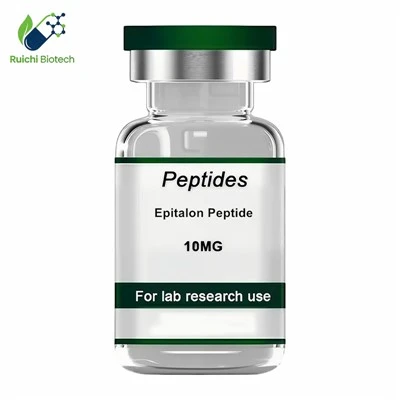
Hey there, if you’re here, chances are you’ve worked with Active Pharmaceutical Ingredients (APIs) before—maybe you’re a formulator trying to make a drug that actually works, a quality team tired of last-minute lab rejections, or even someone new to the space who’s realizing APIs are way more than just “chemical stuff in pills.” As an API supplier that’s been in this game long enough to know the difference between good APIs and ones that make your whole production line grind to a halt, let me break down what quality standards for APIs actually mean (no stuffy jargon, I promise). Active Pharmaceutical Ingredients
First off, let’s get one thing straight: APIs aren’t like random industrial chemicals you mix for a cleaner or a fertilizer. If they’re not up to snuff, you’re not just dealing with a bad batch—you’re risking people’s health, and your company’s reputation. We’ve seen it happen: a generic drug company used an API with trace impurities that caused safety scares, and boom, their product got pulled, they lost millions, and their customers bailed. So quality standards aren’t just some box to tick for regulators—they’re the backbone of making drugs that actually get to patients.
Let’s start with the big three regulatory bodies because, let’s be real, APIs live and die by these guys: FDA (US), EMA (EU), and ICH (which is the international group that aligns rules so you don’t have to redo testing for every market). Each has their own playbook, but they all say the same core thing: your API has to be safe, pure, consistent, and actually do what it’s supposed to do. No exceptions.
First up, purity—this is non-negotiable. When we talk purity for APIs, we’re not talking “looks clear” or “no weird smell.” We’re talking about identifying every single impurity, even the tiny ones (like parts per million or even billion). Impurities come from everywhere: the raw materials you start with, the chemical reactions during manufacturing, how you purify the API, even the packaging. The FDA has a list of “acceptable limits” for different types of impurities—like toxic ones (called ICH Q3A impurities) that can’t be there at all above a certain level, or ones that aren’t toxic but might affect how well the drug works. Last year, we had a batch of a generic painkiller API that had a tiny impurity that was 0.02% over the limit. We caught it in our in-house testing before shipping, and that’s why we have a full team just for impurity profiling—no cutting corners here.
Next is identity—wait, that sounds simple, right? It’s the right chemical, duh. But you’d be surprised how easy it is to mix up similar-looking compounds, especially when you’re making complex APIs (like biologics, which are a whole different beast than small-molecule APIs we mostly handle). We use things like HPLC and NMR to confirm every single batch is exactly what the customer ordered. A few months back, a small formulator ordered API for a diabetes drug, and our team did a double-check and realized we’d gotten the starting material mixed up with another compound for a heart drug. We flagged it immediately, fixed it, and they thanked us later—saving them from a huge mistake that would’ve delayed their launch. That’s the kind of attention to detail that matters.
Then there’s potency—how much actual API is in the batch. If you’re making a pill that’s supposed to have 50mg of API, you can’t have a batch that’s 45mg or 55mg. That’s dangerous for patients, and it’s a failure on your part as a supplier. We test every batch multiple times: raw material testing at receipt, in-process testing during manufacturing, and final release testing before it leaves our facility. We even have an in-house lab that works 24/7 for peak seasons, so we never rush a potency test just to hit a delivery date. Consistency is key here, too—if every batch is different, your customer’s formulation team will never get their process right. We have a system where we track every single step of manufacturing, so if a batch is a tiny bit off, we can trace it back to exactly when and where that happened.
Wait, let’s talk about manufacturing quality because that’s where all these standards start. It’s not just testing the end product—it’s how you make it. We follow GMP (Good Manufacturing Practices), which is like the rulebook for making drugs correctly. GMP covers everything from the cleanliness of our facilities (we have air filters that get changed monthly, no bare shoes in production areas) to how we train our staff (everyone in production has to pass a yearly GMP test, no exceptions). We also do audits on every single supplier of our raw materials—no skipping that. If a raw material supplier cuts corners, it’s our API that gets rejected, so we vet them as hard as we vet ourselves. I’ve been to other API suppliers’ facilities before, and some don’t even have a real time tracking system for batch records. That’s a red flag—if something goes wrong, you can’t prove what you did, which is a huge problem if a regulator comes knocking.
Oh, and stability testing—this is something a lot of new buyers don’t ask about, but it’s super important. What happens to the API when it sits on a shelf for 2 years? Does it break down, lose potency, or form new impurities? We test every batch under different conditions (high temp, high humidity, light exposure) to see how it holds up, and we provide a “retest date” so our customers know exactly how long they can store it before they have to test it again. Last year, a customer told us that another API supplier’s batch broke down in their warehouse in 6 months, but ours was still 99% potent after 18 months—we’ve been working on that product with them ever since.
Wait, what about different types of APIs? Like generic APIs vs. specialty APIs (the ones for rare diseases, called orphan drugs)? The standards are basically the same, but orphan drugs have a little more flexibility because there’s less data on how they work in small patient populations. But even then, you can’t cut corners on purity or safety. And biologics—they’re way more complex, made from living cells, so their standards are stricter in some ways (you have to test for things like viral contamination, which small-molecule APIs don’t really have to worry about). We don’t do biologics, but we work with a partner that does, and we help them with their small-molecule API needs, so I’ve learned a lot about those too.
Let’s be real, though—standards aren’t just about following rules. They’re about trust. Our customers (big pharma, small formulators, even biotech startups) rely on us to deliver APIs that they can trust to make safe, effective drugs. If we mess up, they lose money, patients don’t get the drugs they need, and we lose their business. That’s why we’ve invested so much in our lab and our team—we don’t want to be the supplier that causes a drug recall.
I know as a buyer, you probably have a list of questions when you’re vetting API suppliers: Do you have GMP certification? Can you provide batch records? What are your impurity limits? Do you do stability testing? Don’t be afraid to ask those questions—any good supplier should be able to answer them clearly. We always provide our customers with a “CoA” (Certificate of Analysis) for every batch, which has all the test results right there. If a customer asks to see our facility or our audit reports, we let them—we have nothing to hide.
Another thing: traceability. Every single batch of API we make has a unique number, and we can track it back to the raw materials, the date it was made, who worked on it, every test that was done, and where it was shipped. If there’s ever a problem (which is super rare, but we’re prepared), we can trace it in minutes, not days. That’s a huge deal for regulators and for our customers—they need to know exactly what they’re getting and where it came from.
Wait, let’s address the elephant in the room: cost. I know a lot of people look for the cheapest API, but cutting corners on quality will cost you way more in the long run. A bad batch can delay your product launch for months, cause recalls, lead to regulatory fines, and ruin your reputation. We’re not the cheapest supplier out there, but we’re transparent about our costs—we don’t mark up stuff that doesn’t need to be marked up, and we never skip a step to save a buck. Our customers know that if they buy from us, they’re getting a reliable API that meets all the standards, so they keep coming back.
So what does this mean for you, if you’re looking for an API supplier? Don’t just pick the cheapest one. Look for a supplier that prioritizes quality, has a track record of on-time delivery and good batch consistency, is transparent about their testing and manufacturing processes, and works with regulators to make sure their products are up to code. And if you have specific needs—like a custom API, or a product that needs to be stored at a certain temperature—make sure the supplier can meet those needs too.
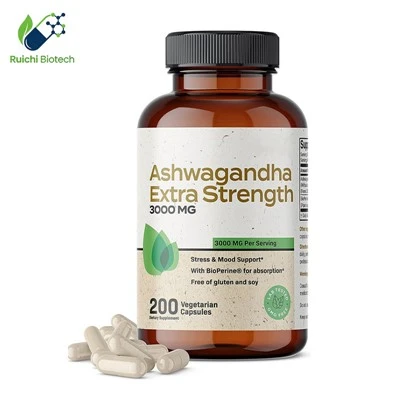
At the end of the day, APIs are the most important part of any drug. Without a good API, you don’t have a good drug. That’s why we take every batch so seriously—because we know our work affects people’s lives. If you’re in the market for APIs, whether it’s a standard generic or a specialty product, we’d love to chat. We can talk about your specific needs, walk you through our testing processes, and show you why our customers keep coming back. Don’t hesitate to reach out—we’re here to help you make safe, effective drugs that get to patients.
Dietary Supplements References
ICH Q3A (R2) Impurities in New Drug Substances
FDA cGMP for Finished Pharmaceuticals
EMA Guidelines on Impurities in Medicinal Products
ICH Q7 Good Manufacturing Practice Guide for Active Pharmaceutical Ingredients
ICH Q1A (R2) Stability Testing of New Drug Substances and Products
Xi’an Ruichi Biotech Co., Ltd.
As one of the most professional active pharmaceutical ingredients manufacturers and suppliers in China, our products have good reputation in the market. Welcome to buy discount active pharmaceutical ingredients in stock here and get free sample from our factory. For price consultation, contact us.
Address:
E-mail: Jenny@ruichibio.com
WebSite: https://www.ruichi-bio.com/
