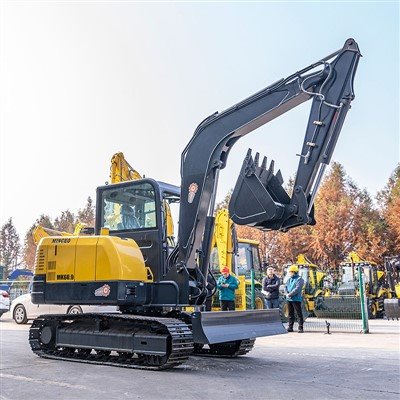
Axle load limits of commercial and engineering trucks are crucial factors that significantly impact vehicle safety, road infrastructure, and operational efficiency. As a supplier of commercial and engineering trucks, I have witnessed firsthand the importance of adhering to these limits and the implications of exceeding them. In this blog, I will delve into the concept of axle load limits, explore why they are set, discuss how they vary across different regions, and highlight the significance of these limits for our customers. Commercial and Engineering Trucks
Understanding Axle Load Limits
Axle load limits refer to the maximum amount of weight that an individual axle or a group of axles on a truck can legally carry. These limits are established to ensure the safety of both the vehicle and other road users, as well as to protect the integrity of road surfaces. When a truck’s axles exceed the specified load limits, it can lead to a variety of problems.
From a safety perspective, overloading axles can compromise the vehicle’s handling and braking capabilities. The additional weight can cause excessive wear on tires, increasing the risk of blowouts. It also puts extra stress on the suspension system, which may lead to premature failure. Moreover, overloaded trucks require longer stopping distances, posing a significant hazard to other vehicles on the road.
In terms of road infrastructure, heavy axle loads can cause severe damage to roads and bridges. The repeated application of excessive weight can lead to cracking, rutting, and potholes, which not only require costly repairs but also pose a danger to all road users. By enforcing axle load limits, authorities aim to extend the lifespan of road infrastructure and reduce maintenance costs.
Factors Influencing Axle Load Limits
Several factors influence the setting of axle load limits. One of the primary considerations is the design and construction of the vehicle itself. Different types of trucks have varying axle configurations and weight – bearing capacities. For example, a single – axle truck will have a much lower load limit compared to a multi – axle tractor – trailer combination. The materials used in the construction of the axles, suspension, and frame also play a role in determining how much weight they can safely carry.
The type of road surface is another important factor. High – quality, well – constructed highways can generally withstand heavier axle loads than local or rural roads. Therefore, axle load limits may be higher on major highways compared to secondary roads. Additionally, environmental conditions such as soil type and climate can affect the load – bearing capacity of the underlying roadbed. In areas with soft soil or high water tables, lower axle load limits may be imposed to prevent road damage.
Legal requirements and regulations also play a significant role in determining axle load limits. Governments and transportation authorities around the world set these limits to ensure uniformity and safety on the roads. These regulations are often based on extensive research and engineering studies to balance the needs of the transportation industry with the protection of road infrastructure.
Variation of Axle Load Limits across Regions
Axle load limits vary significantly from one region to another. In the United States, for instance, the Federal Highway Administration (FHWA) sets general guidelines for axle load limits, but individual states may have their own specific regulations. The Interstate Highway System has a maximum single – axle load limit of 20,000 pounds (9,072 kg) and a tandem – axle load limit of 34,000 pounds (15,422 kg). However, some states may allow higher limits with the appropriate permits for special loads.
In Europe, the permit system is also in place, and the maximum axle loads are generally defined by EU directives. For example, in most EU countries, the maximum single – axle load ranges from 6,000 to 11,500 kg, depending on the type of vehicle and the road category. In Asia, countries like Japan and South Korea have their own set of regulations, which are designed to suit their unique road conditions and transportation needs.
In Australia, axle load limits are determined by a combination of federal and state regulations. The country’s vast distances and diverse road infrastructure mean that load limits can vary depending on the location and the type of road. For example, on some remote roads, lower load limits may be in place to protect the fragile road surfaces.
Importance of Axle Load Limits for Our Customers
As a supplier of commercial and engineering trucks, understanding and adhering to axle load limits is of utmost importance for our customers. Firstly, compliance with these limits is a legal requirement. Failure to comply can result in hefty fines, vehicle impoundment, and damage to the company’s reputation. By providing trucks that are designed to operate within the specified load limits, we help our customers avoid these legal issues.
Secondly, operating within the axle load limits ensures the longevity and reliability of the trucks. Overloading can lead to increased maintenance costs, as components such as tires, brakes, and suspension systems are more likely to fail prematurely. By following the load limits, our customers can reduce the frequency of repairs and replacements, saving both time and money in the long run.
Moreover, adhering to axle load limits is beneficial for the environment. Overloaded trucks consume more fuel due to the additional weight, resulting in higher emissions of greenhouse gases. By promoting the use of trucks that operate within the load limits, we contribute to a more sustainable transportation industry.
How We Assist Our Customers
At our company, we are committed to helping our customers understand and comply with axle load limits. When customers are in the process of selecting a truck, our sales team provides detailed information about the vehicle’s axle configuration and load – bearing capacity. We also offer guidance on how to distribute the load evenly across the axles to ensure that the limits are not exceeded.
In addition, we keep our customers informed about the latest axle load regulations in different regions. Our after – sales service team is always ready to answer any questions regarding load limits and provide support in case of any regulatory changes. We also offer training programs for drivers and fleet managers to educate them about the importance of axle load limits and how to operate the trucks safely and legally.
Conclusion
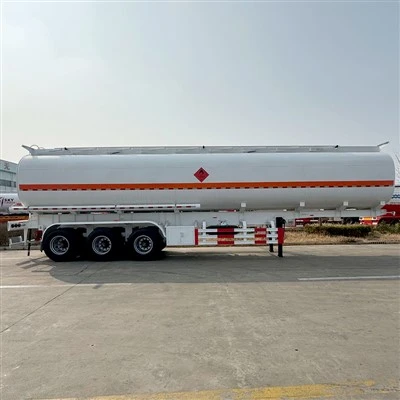
Axle load limits of commercial and engineering trucks are a vital aspect of the transportation industry. They are essential for ensuring safety on the roads, protecting road infrastructure, and promoting operational efficiency. As a supplier of these trucks, we recognize the importance of these limits and are dedicated to helping our customers comply with them.
Commercial and Engineering Trucks If you are in the market for commercial or engineering trucks and want to learn more about how our vehicles can meet your specific needs while adhering to axle load limits, we encourage you to reach out to us. We are here to provide you with the best solutions and support for your transportation requirements. Contact us today to start a discussion about your potential purchase and explore the options available to you.
References
- Federal Highway Administration (FHWA). “Bridge Formula and Size and Weight Regulations.”
- European Union Transport Regulations. Various EU directives related to vehicle weights and dimensions.
- Road Transport Authorities in different Australian states. State – specific regulations on axle load limits.
- Governments in Asian countries such as Japan and South Korea. Their official transportation regulations websites.
Jining Dafu Machinery Sales Co., Ltd.
As one of the most professional commercial and engineering trucks suppliers in China, we’re featured by quality products and low price. Please rest assured to wholesale bulk cheap commercial and engineering trucks from our factory. We also accept customized orders.
Address: Room 1-115, Building 7, Luxinan Auto Parts City, Qiantongdian Village, Quanpu Town, Liangshan County, Jining City, Shandong Province
E-mail: jiningdafu@163.com
WebSite: https://www.dafumachinery.com/
