Drying a wet tactical vest properly is crucial for maintaining its functionality, durability, and hygiene. As a seasoned supplier of tactical vests, I’ve encountered numerous inquiries about the optimal drying methods. In this blog post, I’ll share comprehensive insights into the best ways to dry a wet tactical vest, drawing from my experience and industry knowledge. Tactical Vest

Understanding the Importance of Proper Drying
Tactical vests are often exposed to various elements during outdoor activities, training exercises, or combat situations. Getting wet is almost inevitable, whether from rain, sweat, or water immersion. Failing to dry a tactical vest promptly and correctly can lead to several issues:
- Mold and Mildew Growth: Moisture provides an ideal breeding ground for mold and mildew. These fungi not only damage the fabric and padding of the vest but can also cause health problems if inhaled.
- Odor Accumulation: Stagnant moisture can lead to unpleasant odors, which are difficult to remove. This not only affects the wearer’s comfort but can also compromise the vest’s overall performance.
- Reduced Durability: Prolonged exposure to moisture can weaken the materials used in the vest, including the fabric, stitching, and fasteners. This can lead to premature wear and tear, reducing the vest’s lifespan.
- Functional Impairment: Moisture can affect the performance of the vest’s components, such as ballistic panels or hydration systems. This can compromise the vest’s ability to protect the wearer or provide essential functions.
Factors to Consider Before Drying
Before drying a wet tactical vest, there are several factors to consider:
- Vest Material: Different materials require different drying methods. For example, synthetic fabrics such as nylon and polyester dry faster than natural fibers like cotton. Additionally, some materials may be more prone to shrinkage or damage if exposed to high heat.
- Level of Wetness: The amount of moisture in the vest will determine the drying time and method required. A lightly damp vest may only need to be air-dried, while a heavily soaked vest may require more intensive drying techniques.
- Vest Features: Tactical vests often come with additional features such as pockets, compartments, and attachments. These features can trap moisture and make drying more challenging. Be sure to consider these factors when choosing a drying method.
- Time Constraints: If you need to use the vest again quickly, you may need to choose a faster drying method. However, it’s important to balance speed with the potential risk of damaging the vest.
Best Ways to Dry a Wet Tactical Vest
Air Drying
Air drying is the safest and most recommended method for drying a wet tactical vest. It involves hanging the vest in a well-ventilated area and allowing natural air circulation to remove moisture. Here are some tips for air drying a tactical vest:
- Remove Excess Water: Before hanging the vest, gently squeeze out as much excess water as possible. Avoid wringing or twisting the vest, as this can damage the fabric and stitching.
- Hang the Vest Properly: Hang the vest on a sturdy hanger or drying rack in a well-ventilated area. Make sure the vest is spread out evenly to allow air to circulate freely. Avoid hanging the vest in direct sunlight, as this can cause the fabric to fade or become brittle.
- Open Pockets and Compartments: To ensure thorough drying, open all the pockets, compartments, and attachments on the vest. This will allow air to reach all areas of the vest and prevent moisture from getting trapped.
- Flip the Vest Regularly: To ensure even drying, flip the vest over every few hours. This will help to expose all areas of the vest to air and prevent moisture from accumulating on one side.
- Be Patient: Air drying can take several hours or even days, depending on the level of wetness and the environmental conditions. Be patient and allow the vest to dry completely before using it again.
Using a Fan
Using a fan can help to speed up the air drying process by increasing air circulation around the vest. Here’s how to use a fan to dry a wet tactical vest:
- Remove Excess Water: As with air drying, gently squeeze out as much excess water as possible before hanging the vest.
- Hang the Vest: Hang the vest on a sturdy hanger or drying rack in front of a fan. Make sure the vest is spread out evenly and that the fan is set to a low or medium speed.
- Direct the Fan: Position the fan so that it blows directly onto the vest. You can also adjust the angle of the fan to ensure that air reaches all areas of the vest.
- Monitor the Drying Process: Check the vest regularly to ensure that it is drying evenly. If you notice any areas that are still damp, you can adjust the position of the fan or flip the vest over.
- Turn Off the Fan: Once the vest is dry, turn off the fan and allow the vest to cool down before storing it.
Using a Dehumidifier
A dehumidifier can be an effective way to dry a wet tactical vest, especially in humid environments. Here’s how to use a dehumidifier to dry a wet tactical vest:
- Remove Excess Water: Gently squeeze out as much excess water as possible before placing the vest in the room with the dehumidifier.
- Place the Vest in a Well-Ventilated Room: Place the vest in a well-ventilated room with the dehumidifier. Make sure the room is closed off to prevent moisture from entering.
- Set the Dehumidifier: Set the dehumidifier to the appropriate humidity level. Most dehumidifiers have a humidity control setting that allows you to adjust the level of moisture in the air. Set the humidity level to around 30-40% to ensure optimal drying conditions.
- Monitor the Drying Process: Check the vest regularly to ensure that it is drying evenly. If you notice any areas that are still damp, you can adjust the position of the vest or the settings on the dehumidifier.
- Turn Off the Dehumidifier: Once the vest is dry, turn off the dehumidifier and allow the vest to cool down before storing it.
Using a Low-Heat Setting on a Dryer
Using a low-heat setting on a dryer can be a faster way to dry a wet tactical vest, but it should be used with caution. High heat can damage the fabric and padding of the vest, so it’s important to use a low-heat setting and monitor the drying process closely. Here’s how to use a low-heat setting on a dryer to dry a wet tactical vest:
- Remove Excess Water: Gently squeeze out as much excess water as possible before placing the vest in the dryer.
- Place the Vest in the Dryer: Place the vest in the dryer with a few clean towels. The towels will help to absorb moisture and prevent the vest from rubbing against the sides of the dryer.
- Set the Dryer: Set the dryer to a low-heat setting and a short drying cycle. Avoid using a high-heat setting or a long drying cycle, as this can damage the vest.
- Monitor the Drying Process: Check the vest regularly to ensure that it is drying evenly. If you notice any signs of damage or shrinkage, stop the dryer immediately.
- Remove the Vest from the Dryer: Once the vest is dry, remove it from the dryer and allow it to cool down before using it again.
Tips for Maintaining a Tactical Vest
In addition to proper drying, there are several other tips for maintaining a tactical vest:
- Clean the Vest Regularly: Regular cleaning can help to remove dirt, sweat, and other contaminants from the vest. Follow the manufacturer’s instructions for cleaning the vest, and use a mild detergent and warm water.
- Store the Vest Properly: When not in use, store the vest in a cool, dry place. Avoid storing the vest in direct sunlight or in a damp environment, as this can damage the fabric and padding.
- Inspect the Vest Regularly: Regularly inspect the vest for signs of wear and tear, such as frayed stitching, loose fasteners, or damaged fabric. If you notice any issues, repair or replace the vest as soon as possible.
- Replace Worn-Out Components: Over time, the components of the vest, such as the ballistic panels or hydration systems, may wear out. Replace these components as recommended by the manufacturer to ensure the vest’s continued performance.
Conclusion
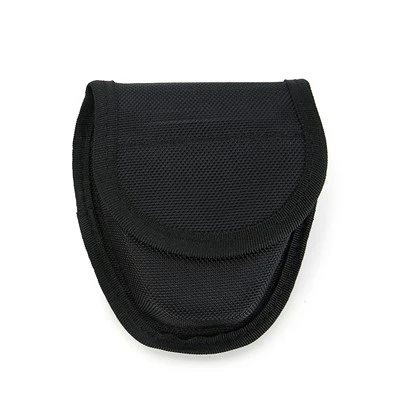
Drying a wet tactical vest properly is essential for maintaining its functionality, durability, and hygiene. By following the tips and methods outlined in this blog post, you can ensure that your tactical vest dries quickly and safely without causing any damage. Remember to consider the vest material, level of wetness, and time constraints when choosing a drying method, and always follow the manufacturer’s instructions. If you have any further questions or need assistance with drying your tactical vest, please don’t hesitate to contact us. We’re here to help you make the most of your tactical gear.
Duty Gear If you’re in the market for a high-quality tactical vest, we invite you to explore our extensive range of products. Our vests are designed to meet the needs of law enforcement officers, military personnel, outdoor enthusiasts, and others who require reliable and durable gear. Contact us today to discuss your requirements and learn more about how we can help you find the perfect tactical vest for your needs.
References
- "Tactical Vest Care and Maintenance Guide" – Various industry publications and manufacturers’ guidelines
- "Moisture Management in Tactical Gear" – Research studies on the effects of moisture on tactical equipment
- "Best Practices for Drying Outdoor Gear" – Outdoor recreation blogs and forums
Quanzhou Jinbei Bags Co., Ltd.
As one of the most professional tactical vest manufacturers and suppliers in China, we have world-leading production equipment and strong manufacturing capabilities. Please feel free to buy bulk high quality tactical vest for sale here from our factory. Customized orders are welcome.
Address: 302, NO. 158-17, EAST DISTRICT, TANDING, HESHI, LUOJIANG , QUANZHOU, FUJIAN, CHINA
E-mail: jinbeibags@126.com
WebSite: https://www.jinbeibags.com/
